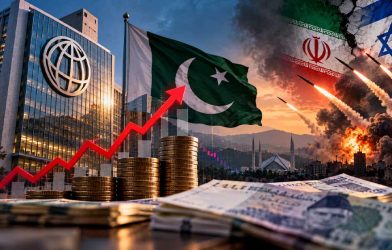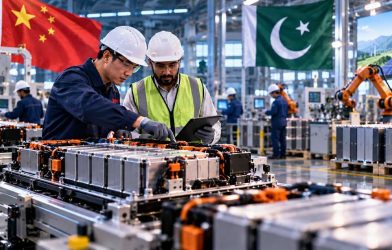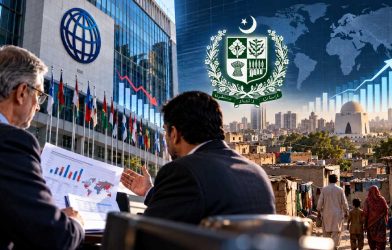

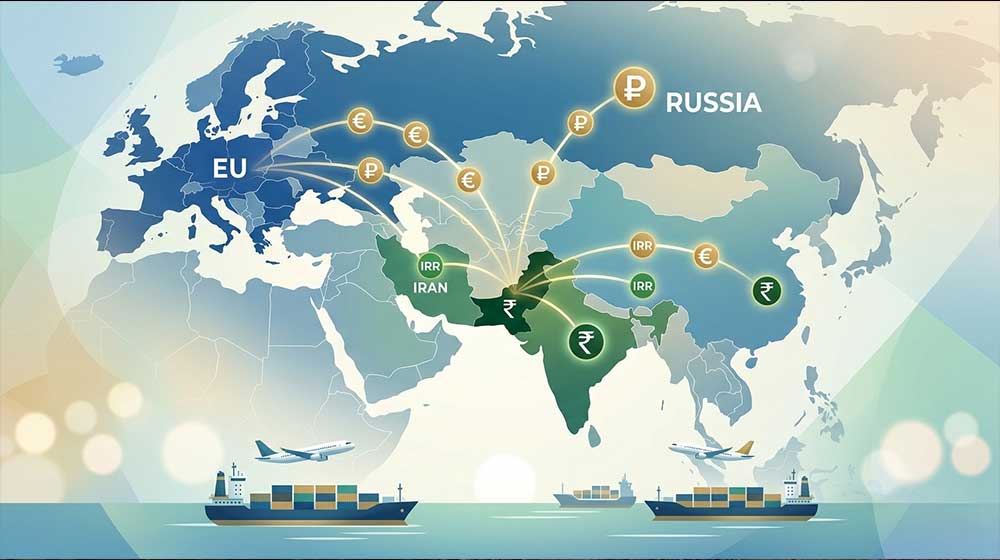
Pakistan is finalizing currency swap deals with major global partners, including the European Union, Russia, and Iran. This strategic move aims to reduce the country’s long-standing dependence on the US dollar for international commerce. By shifting toward local currency settlements, authorities hope to stabilize national trade and shield foreign exchange reserves from global market shocks. Analysts view this as a vital step to diversify currency risk and strengthen the country’s financial sovereignty in a shifting geopolitical landscape.
Strategic Objectives of the Currency Swaps
The primary goal of these agreements is to create a more resilient economic framework. Specifically, the government is focusing on three main areas:
- Financial Flexibility: Officials state that these swaps will ease international transactions by bypassing traditional dollar-clearing routes.
- Reduced Volatility: Businesses and exporters will benefit from lower exchange rate risks, as trade will occur in more stable, direct currency pairs.
- Reserve Protection: By using local currencies, the State Bank of Pakistan can preserve its precious “greenback” reserves for essential external debt payments.
The choice of Russia, Iran, and the EU reflects a calculated economic pivot. For instance, trade with Russia has expanded through the Eurasian Economic Union (EAEU), while the recent US-Iran ceasefire has reopened direct corridors for energy and regional commerce. Furthermore, finalizing deals with the EU—Pakistan’s largest export destination—ensures that the most critical trade link remains protected from currency fluctuations.
The Pakistan is finalizing currency swap deals initiative reflects a proactive strategy to modernize the national economy. Consequently, this shift is expected to lower the cost of imports and make Pakistani exports more competitive in European and Eurasian markets. While full implementation will take time, the move signals a new era of “de-dollarization” that aligns with broader global trends among emerging economies.
Economic Insight: Diversifying trade currencies acts as a safety net. It ensures that Pakistan’s local industry can continue to function even during periods of high international liquidity pressure.
For real-time economic data and central bank updates, visit the State Bank of Pakistan.