
Punjab is investing in pink salt. Chief Minister Maryam Nawaz launched the Chief Minister Pink Salt Financing Scheme to transform how the province exports this natural resource. Therefore, the pink salt financing scheme could reshape Pakistan’s global market position in wellness products and salt exports.
The scheme offers soft loans ranging from Rs. 5 million to Rs. 50 million. Businesses receive five years to repay on easy installments. Moreover, the government covers loan interest through development funding, making capital accessible for small and medium enterprises.
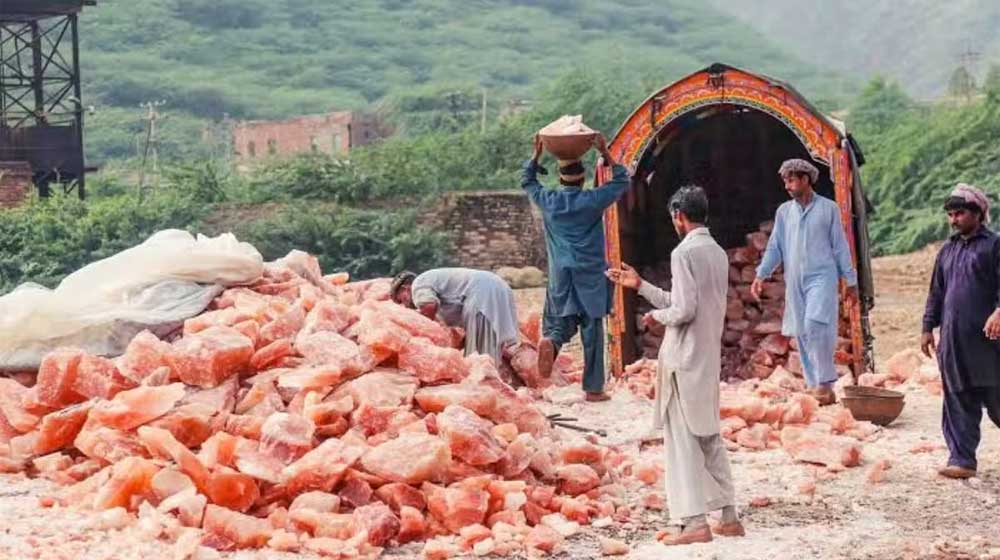
The pink salt financing scheme targets around 200 SME applicants. Officials expect the program to generate more than 10,000 direct and indirect jobs. Additionally, 110 acres in Quaidabad, Khushab district, will host pink salt mineral processing zones. More than 200 industrial units will operate from these zones.
Financing covers processing, refining, packaging, and machinery purchases. Furthermore, businesses can upgrade to international quality standards using loan funds. This pushes Pakistani pink salt toward premium market positioning globally.
Pakistan’s pink salt currently gets rebranded and resold by other countries. Officials say this transfers value outside Pakistan’s economy. Therefore, the pink salt financing scheme aims to capture that value domestically. Additionally, it presents Pakistani salt under its true identity as a “Made in Pakistan” product.
The Mines and Minerals Department digitized applications to accelerate approvals. As a result, businesses can apply quickly without bureaucratic delays. Moreover, the streamlined process encourages SME participation across the province.
Revenue generation represents another key objective. Value-added salt products command premium prices internationally. Furthermore, wellness products and salt handicrafts expand revenue opportunities beyond raw material sales.
This initiative signals Punjab’s commitment to resource-based industrialization. Rather than exporting raw salt, the province now develops processing capacity. Therefore, profits stay in Pakistan while jobs are created locally.