

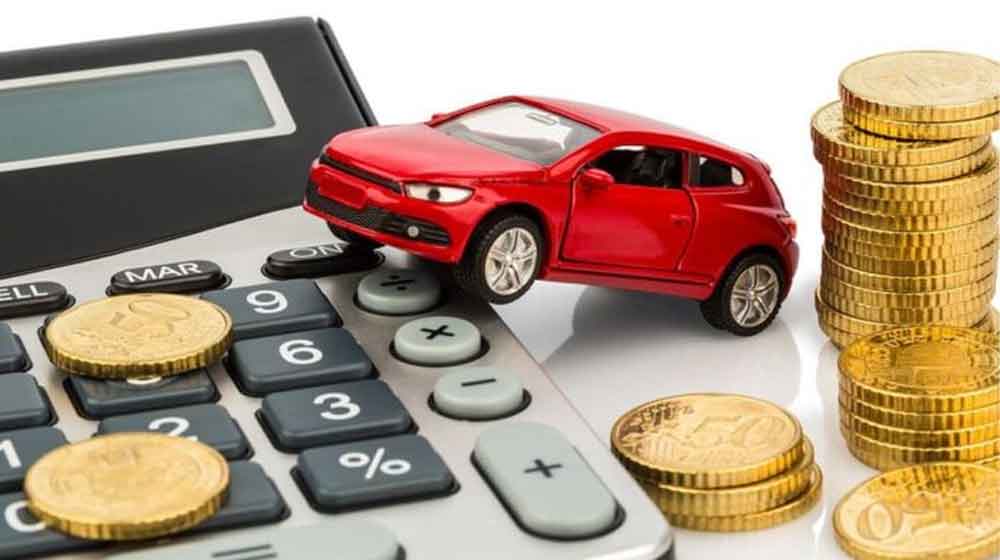
How car financing reform under AIDEP 2026–31 aims to put more Pakistanis behind the wheel
The federal government is rethinking how Pakistanis buy cars. A sweeping car financing reform is now under review. It falls under the draft Auto Industry Development & Export Policy (AIDEP) 2026–31. Top sources confirmed this to ProPakistani. The proposals include seven-year loan tenures, a 15 percent minimum down payment, and a Rs. 10 million financing cap for locally built vehicles. Discussions are already live with the State Bank of Pakistan and industry players.
For years, high interest rates crushed car sales. Strict lending limits made things worse. Rising vehicle prices pushed ownership further out of reach for most Pakistanis. However, this new framework directly targets that damage. Smaller monthly repayments and lower entry costs could restore consumer purchasing power. Moreover, the policy aims to revive a sector that has struggled for far too long.
Buyers also get stronger protections under the proposed rules. Fixed booking prices would eliminate last-minute surprises. Delayed deliveries beyond 30 days would attract penalties at KIBOR+3 percent. Additionally, advance booking payments would be capped at 20 percent. Spare part markups at dealerships would also be limited to 20 percent. Warranty responsibility would sit firmly with manufacturers or authorized importers.
The used vehicle import market would move toward regulated liberalization too. Mandatory certification and inspection checks would apply. Tariff premiums would fall from 40 percent to zero by FY2030. Furthermore, a 30 percent depreciation cap would keep used car pricing transparent and fair.
The draft policy sets bold targets for 2031. Annual production should exceed 500,000 units. Auto exports should hit one billion dollars. Also, new energy vehicles should claim a 30 percent share of total sales. To support EVs, 3,000 charging stations are planned by 2030. Free registration, toll exemptions, and federal NEV procurement form part of the demand push.
Duty cuts are also on the table. CKD duties for cars and SUVs would drop from 30 percent to 20 percent over five years. Additional Customs Duties would phase out entirely by FY2029. Therefore, competition would sharpen, affordability would improve, and newer technologies would reach Pakistani consumers faster.
These remain draft proposals for now. Final decisions still need regulatory review, banking input, and cabinet approval. Still, the direction is clear. Pakistan’s auto policy is shifting toward accessibility. The impact on consumers and the wider economy could, finally, be something worth celebrating.