

Should Pakistan Import Cheaper Iranian Oil Despite US Sanctions?
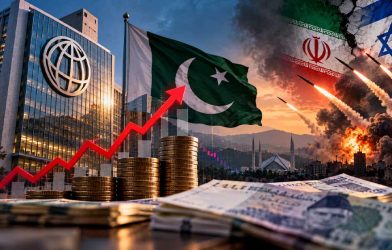
Pakistan is facing one of its worst energy crises in years. With petrol prices crossing Rs378.41 per litre and the overall import bill surging due to the US-Israel-Iran war, many people are asking a simple question: Why can’t Pakistan buy cheaper oil from neighbouring Iran?
Iranian crude is significantly cheaper than oil from the Gulf. Yet, Pakistan has largely avoided large-scale imports from Iran. The main reason is US sanctions.
Why Pakistan Avoids Iranian Oil
The United States maintains heavy sanctions on Iran’s oil sector. Any country or company that buys Iranian oil in large quantities risks secondary sanctions — penalties that can block access to the US financial system, freeze assets, or stop trade with America and its allies.
Pakistan is highly vulnerable because:
- It depends on the SWIFT international banking system.
- It needs US support for IMF loans and debt restructuring.
- Pakistani banks could face severe punishment if they facilitate payments to Iran.
Even though small-scale barter trade (goods for oil) has happened quietly in the past, large official imports remain too risky.
Despite the risks, some analysts and commentators argue that Pakistan should consider limited Import Iranian Oil, especially in the current crisis. Here’s why:
- Huge Cost Saving: Iranian oil is often $10–25 cheaper per barrel than market rates. In Pakistan’s current economic condition, even 5–10 million barrels could save hundreds of millions of dollars.
- Immediate Relief: Cheaper oil would help reduce petrol and diesel prices, ease inflation, and support the struggling economy.
- Geographic Advantage: Iran shares a border with Pakistan. Transport by land or short sea routes is much cheaper and faster than importing from distant Gulf countries.
- Precedent Exists: Countries like China and India have continued buying Iranian oil (sometimes through complex mechanisms) despite sanctions.
However, the downsides are serious:
- Secondary sanctions could hurt Pakistan’s exports to the US and Europe.
- It might damage relations with Washington at a time when Pakistan needs diplomatic and financial support.
- Payment issues would arise — Iran is largely cut off from global banking, making transactions difficult.
Pakistan is stuck between a rock and a hard place. Importing Iranian oil could provide short-term economic relief, but it carries dangerous long-term risks to the country’s financial stability and international relations.
For now, the government appears cautious. While small-scale or barter arrangements may continue quietly, a full-scale official import policy seems unlikely unless sanctions are eased or a major diplomatic shift occurs.
As fuel prices continue to hurt ordinary Pakistanis, the debate over Iranian oil will only grow louder in the coming weeks.