
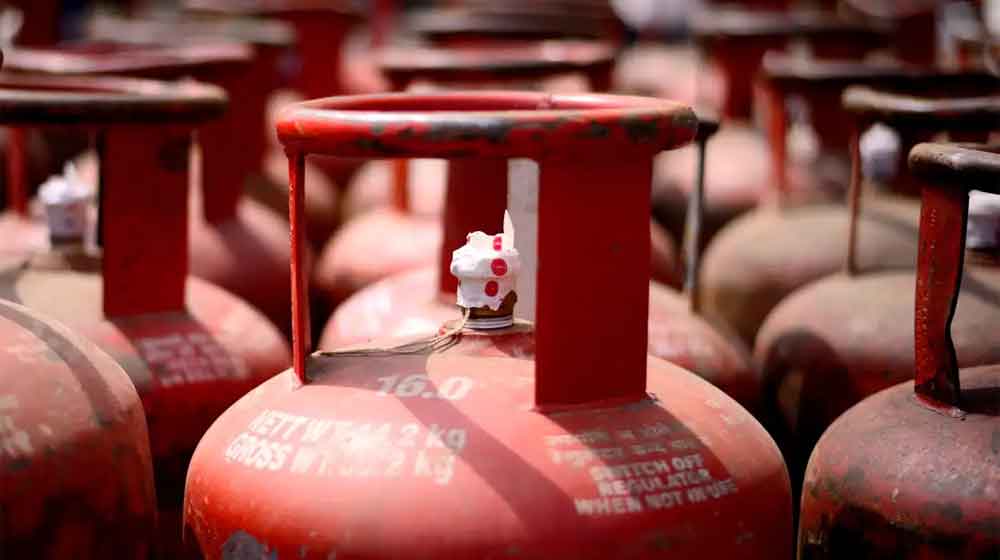
The Oil and Gas Regulatory Authority (OGRA) announced a massive 35% increase in liquefied petroleum gas costs on Tuesday. This recent hike in LPG prices in Pakistan stems directly from a significant surge in global market rates. Starting this month, the price of LPG stands at PKR 304.15 per kilogram, marking a sharp rise from the March rate of PKR 225.84. For millions of households, this means the cost of a standard 11.8-kilogram domestic cylinder has jumped by PKR 924. Consumers will now pay PKR 3,588.60 per cylinder compared to the previous month’s price of PKR 2,664.88.
Global factors played a primary role in this pricing adjustment according to official notifications. OGRA attributed the steep climb to a 44% increase in Saudi Aramco contract prices over the last few weeks. While the US dollar exchange rate saw a minor decline of 0.11%, it was not enough to offset the rising cost of fuel imports. The producer price for LPG—a mix of propane and butane—now sits at PKR 262,817.53 per tonne. These new rates include various taxes, such as an 18% general sales tax and a dedicated petroleum levy.
The revised pricing structure also accounts for marketing, distribution, and transportation margins. OGRA added approximately PKR 35,000 per tonne to cover these supply chain costs for local providers. Consequently, the maximum consumer price has reached a historic high, impacting both urban and rural populations who rely on gas for cooking. The government confirmed that these LPG prices in Pakistan will remain effective through April 30. This update follows a pattern of volatile energy costs that continue to strain the monthly budgets of low-income families across the country.
Traders and distributors have been instructed to implement the new rates immediately to avoid any supply disruptions. While the hike is significant, officials noted that maintaining these prices is necessary to align with international energy trends. However, the 34.66% overall increase has raised concerns about further inflation in the food and service sectors. As the holy month of Ramadan continues, many citizens are calling for relief measures to manage the rising cost of living. For now, the public must adapt to these higher costs as the energy sector navigates a turbulent global market.