The Karachi Yellow Line BRT will run 256 electric buses across 28 stations from Dawood Chowrangi to Numaish
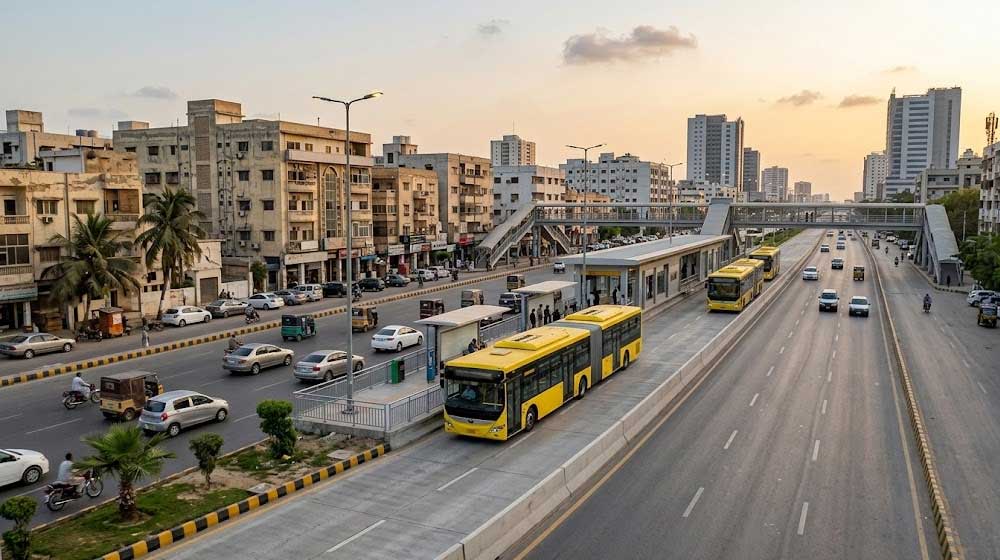
Karachi is getting a transformational public transport upgrade. The Yellow Line Bus Rapid Transit project will deploy a fleet of 256 electric buses along a dedicated 21-kilometer corridor. Once operational, the system aims to serve between 260,000 and 300,000 passengers every single day.
The World Bank is financing the project. It will also connect into the broader Karachi Breeze Network, linking the Yellow Line to the city’s wider public transportation ecosystem.
The route stretches from Dawood Chowrangi to Numaish, with a further connection to the common corridor leading to Tower. Commuters will find 28 stations along this stretch. Twenty-two sit at grade level, while six go underground — a first for Karachi’s bus transit infrastructure.
The annual ridership projections are striking. Officials expect the system to carry nearly 78 million commuters per year. That figure alone highlights how significant this project is for a city long starved of reliable mass transit.
The fleet breaks down into three categories. Nineteen buses measure 9 meters, 133 buses measure 12 meters, and 104 articulated buses stretch to 18 meters. Furthermore, planners built in an 8 percent reserve capacity to keep operations smooth during peak periods and maintenance cycles.
The network will run through six direct routes and three feeder routes. The feeder routes matter greatly. They extend access to the main corridor for passengers arriving from surrounding neighborhoods, making the system genuinely city-wide rather than limited to the core route.
Speed marks another major advantage. Buses on the Yellow Line will travel at average speeds of 21 to 26 kilometers per hour. Meanwhile, traffic on many Karachi roads currently crawls at under 10 kilometers per hour. For daily commuters, that difference changes everything.
The Karachi Yellow Line BRT also supports Pakistan’s broader push toward clean urban mobility. A fully electric fleet cuts emissions and reduces fuel costs over the long term. Additionally, World Bank involvement brings international planning standards and financial accountability to the project.
No launch date has emerged yet. However, the detail now visible in project documents suggests planning has advanced significantly. Karachi’s commuters have waited a long time for something at this scale — and the Yellow Line looks ready to deliver.