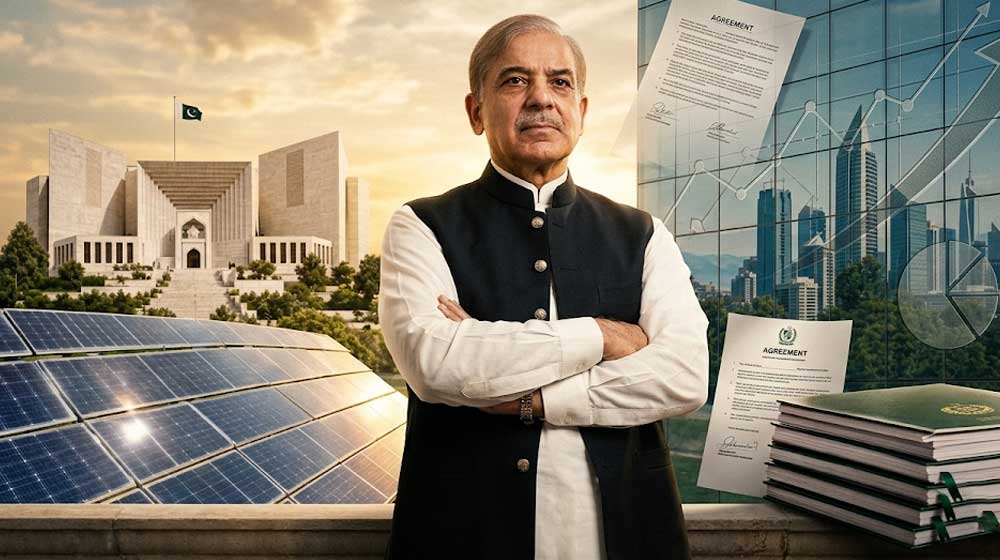
IMF solar panel tax withdrawal secured after PM Shehbaz intervention as the government protects renewable energy adoption and student affordability ahead of Budget 2026-27
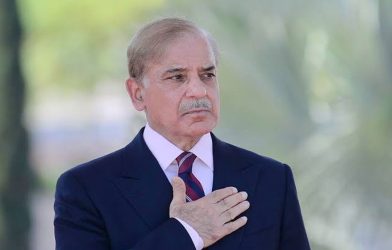
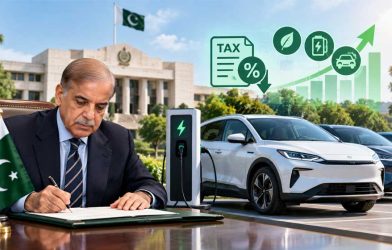
Pakistan scored a significant win in its budget negotiations. The IMF agreed to drop proposed tax increases on both solar panels and stationery items. Prime Minister Shehbaz Sharif intervened directly to secure the concessions. The IMF solar panel tax withdrawal removes the threat of an 18 percent sales tax on solar equipment. Moreover, the IMF also dropped the proposed 18 percent GST on stationery. Therefore, students, households, and the renewable energy sector all get meaningful relief ahead of Budget 2026-27.
The solar panel decision carries enormous practical weight. Pakistan has installed roughly 53 gigawatts of rooftop solar capacity. Furthermore, the country saved an estimated $12 billion in LNG imports between 2021 and 2026. The proposed tax hike threatened to slow that momentum sharply. Therefore, dropping the increase protects one of Pakistan’s most successful energy transitions in recent memory.
The stationery relief matters just as much for millions of families. School supplies already strain household budgets across lower and middle-income groups. Furthermore, an 18 percent GST on notebooks and pens would have hit students at every level. Therefore, the IMF’s acceptance of the government’s position delivers real relief to some of Pakistan’s most financially vulnerable households.
Sources confirmed that stock market taxation will likely stay unchanged in Budget 2026-27. Furthermore, the government views these IMF concessions as proof that targeted advocacy can protect public interests even within programme constraints.
The budget announcement is expected on June 12. Still, for consumers and businesses who feared a solar setback and higher school costs, this is genuinely good news. Finally, Pakistan enters budget day with two major threats already off the table.