

The Houthi threat to Red Sea shipping is emerging as a serious risk to global trade and economic stability. The Houthis, who control large parts of Yemen including the capital Sanaa, have resumed military actions amid rising regional tensions. As a result, concerns are growing over the safety of key maritime routes.
After weeks of restraint, the Houthis launched missiles toward Israel, claiming they targeted sensitive military sites. However, their direct impact on Israel remains limited compared to broader regional threats. Instead, their activities at sea present a much greater concern.
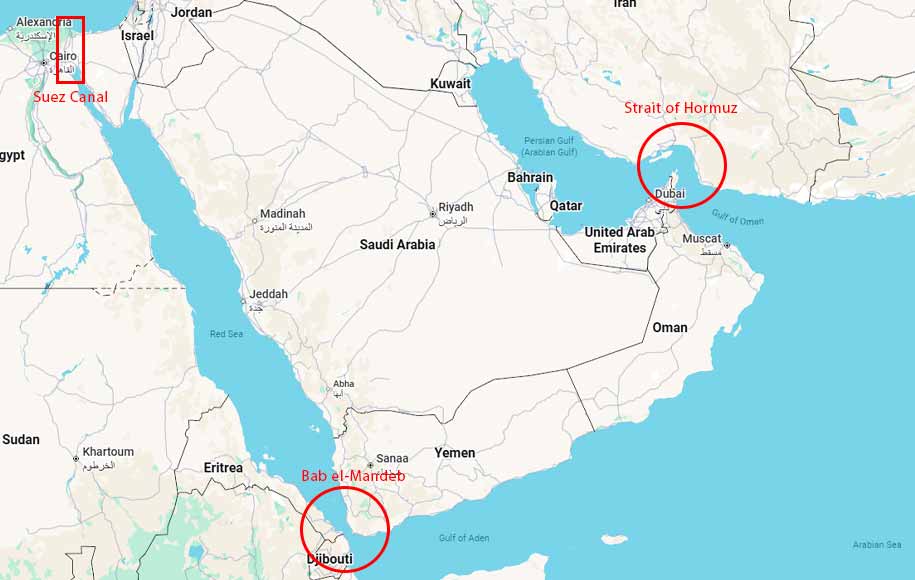
The Houthi threat to Red Sea shipping becomes more significant near the Bab al-Mandab Strait, a vital passage connecting the Red Sea to global trade routes. Previously, the group targeted commercial vessels in this area, disrupting one of the world’s most important shipping lanes. Therefore, any renewed attacks could severely impact international trade flows.
In addition, the situation becomes more critical when combined with tensions around the Strait of Hormuz. This route handles a major share of global oil shipments. If both waterways face disruption, energy supplies and shipping operations could suffer significant setbacks.
Moreover, the Houthis have previously targeted infrastructure in neighboring countries such as Saudi Arabia and United Arab Emirates. Such actions could expand the conflict and increase instability across the region.
At the same time, renewed military activity may also affect Yemen internally. The country has seen relative calm after years of conflict. However, deeper involvement in regional tensions could trigger fresh unrest.
Finally, the Houthi threat to Red Sea shipping highlights the fragile balance in global trade and security. If attacks intensify, the consequences could extend far beyond the region, affecting energy markets, supply chains, and economic stability worldwide.