

The Future of Seafood: The Rise of Biofloc Fish Farming in Pakistan
Pakistan is witnessing a quiet revolution in its rural and peri-urban landscapes. From Mandi Bahauddin to Karachi, the traditional image of vast fish ponds is being replaced by shimmering blue tanks. This is the era of biofloc fish farming, a technology that is turning small-scale growers into high-yield seafood producers.
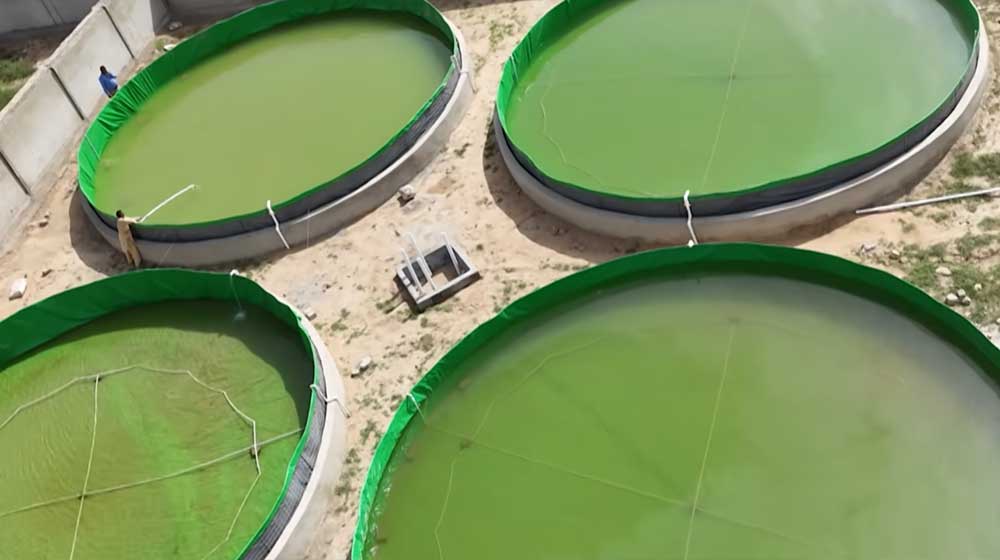
The beauty of this system lies in its efficiency. In a country where water is becoming a luxury, biofloc technology uses a natural bacterial cycle to recycle every drop. These beneficial microbes don’t just clean the water; they transform fish waste into a protein-rich snack for the fish themselves. This “closed-loop” system means less waste, less water, and—most importantly for the farmer—less money spent on expensive commercial feed.
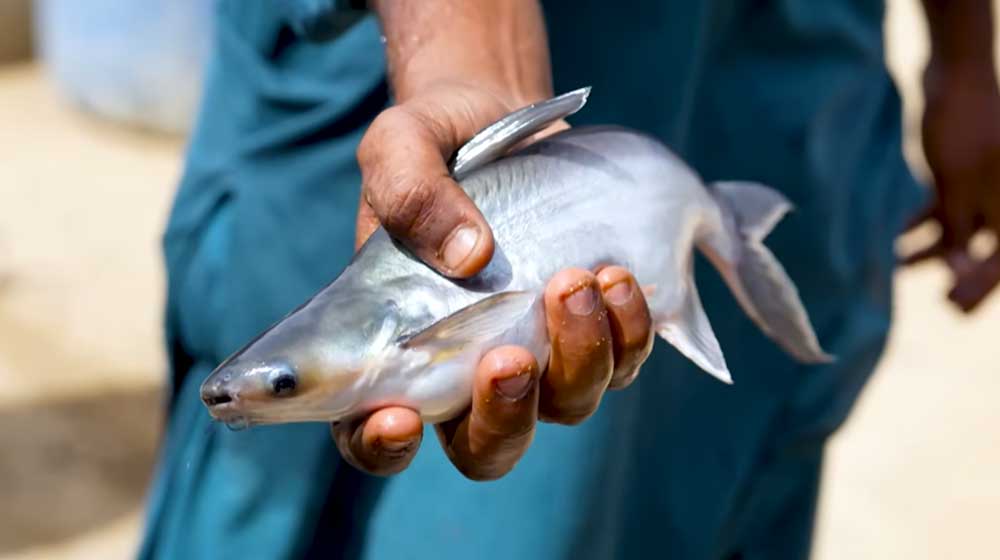
Investors are flocking to this sector because the math makes sense. With the ability to grow high-density crops of Tilapia and Pangasius in a fraction of the space, the biofloc fish farming model is solving Pakistan’s food security challenges while creating a new class of “agri-preneurs.” As the industry scales toward a $600 million valuation, it is clear that the future of Pakistani aquaculture isn’t in the ground—it’s in the tank.