Military tensions have escalated dramatically in the Middle East following new provocations. US forces struck Iranian positions on Tuesday after three commercial vessels suffered attacks in the Strait of Hormuz. The US military confirmed the strikes targeted Iranian positions responsible for the attacks. Additionally, Washington revoked a sanctions waiver on Iranian oil, escalating tensions that threaten a fragile ceasefire. Therefore, the situation represents a dangerous escalation in an already volatile region.
Why Did the US Launch Strikes on Iran?
Iranian forces attacked three commercial vessels near the Strait of Hormuz, triggering the American response. US Central Command said the US strikes Iran campaign would impose heavy costs for targeting commercial shipping. Washington also revoked a sanctions waiver on Iranian oil. This increased pressure on Tehran during ongoing negotiations. Central Command described the strikes as “powerful” and said they were meant to punish attacks on commercial shipping in the vital waterway.
The US Treasury Department separately canceled a license issued in June. That license had allowed Iran to produce, sell, and deliver crude oil through August 21. A US official told AFP that Iran’s actions in the strait were “wholly unacceptable.” Therefore, Washington said it would meet such actions with consequences. The same official said the US-Iran memorandum of understanding was “entirely performance-based.” Tehran would see benefits only if it demonstrated good behavior. Furthermore, US negotiators were still working in good faith toward a final deal.
How Did Iran Respond to the Strikes?
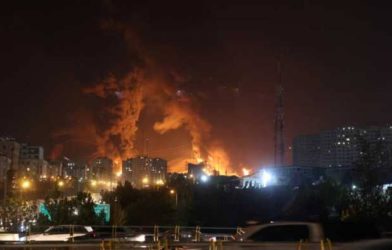
Iranian state media reported numerous explosions around the Strait of Hormuz. Six explosions occurred on the island of Qeshm. Additionally, seven explosions happened in the city of Sirik. Furthermore, more explosions were reported in the major port of Bandar Abbas. Iran’s foreign ministry accused the United States of repeatedly violating the memorandum between the two countries. Therefore, Iran threatened retaliation in a statement carried by official media. “Iran is issuing a serious warning about the consequences of America’s breach of the treaty,” the ministry said. “We will take decisive measures to protect our interests and national security,” officials added.
What Happened to Commercial Vessels in the Strait?
British maritime security agency UKMTO said an unknown projectile hit a tanker overnight. The impact sparked a fire immediately. Two more vessels were struck afterward. Additionally, at least one vessel was hit by a drone. All three vessels were attacked close to Oman. Qatar said one of the vessels was its LNG tanker Al-Rekayyat. Therefore, Doha blamed Iran for the attack.
Oman had proposed a temporary transit corridor hugging its coastline. This would help ships avoid danger during the tensions. However, Iran opposed the plan because it sought to impose fees on ships. Qatar called the strike an unacceptable attack on international maritime navigation. Doha summoned Iran’s deputy ambassador to demand an explanation. Furthermore, Qatar urged Tehran to stop undermining regional security. “We hold Iran fully legally responsible for this attack,” Qatar’s foreign ministry spokesman Majed Al Ansari wrote on X. Iran voiced dismay over Qatar’s accusations, calling the claims unacceptable.
What Does This Mean for the Ceasefire?
The attacks ended more than a week of relative calm and revived freedom of navigation concerns. Iran had lifted its blockade of the waterway after a fragile ceasefire with the US. However, that truce is now in question. Oil prices rose more than 2 percent as the renewed attacks reignited global energy supply worries.
Andreas Krieg, a security expert at King’s College London, told AFP that alternatives to an Iranian toll system are being explored. “Iran is sending a clear signal that no alternative will be accepted,” Krieg said. He added that tankers using the Omani corridor without registering with Iran would face punishment. Therefore, the attacks represent a clear ceasefire violation and breach of international law.
Maritime traffic had tentatively resumed after Washington and Tehran signed their memorandum. However, Iran insists there will be no return to pre-war arrangements. Under the 14-point memorandum, Iran and Oman must hold talks with other Gulf states to define future waterway administration. Qatar had earlier refused to mediate while under Iranian fire. However, Doha has since taken a more active role, hosting indirect talks between Iran and the US recently.