
The Islamabad women enterprise market launches in G-11 as Pakistan confronts a stark entrepreneurship gender divide
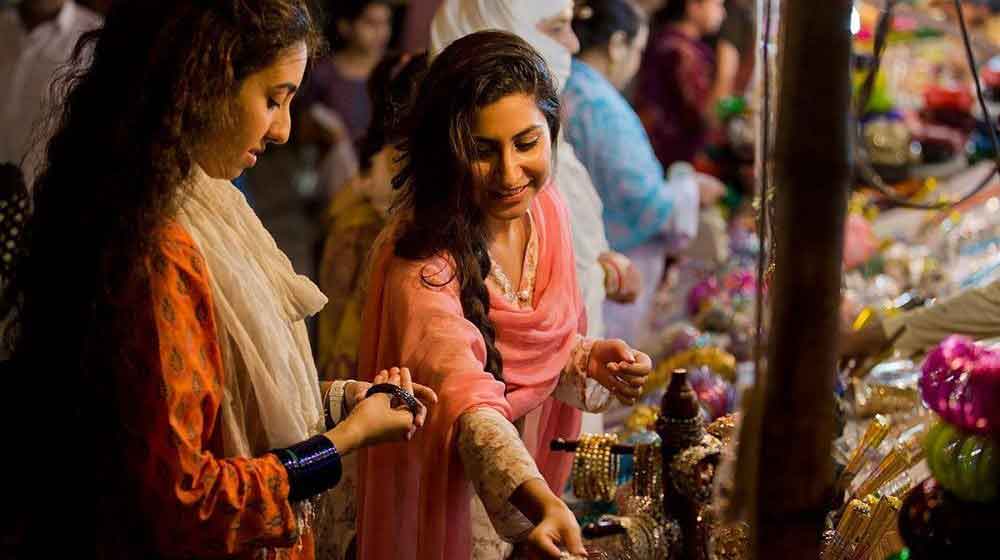
Islamabad has taken a meaningful step toward economic inclusion. The capital city launched the Women Enterprise Market in G-11, inaugurated by MNA and Parliamentary Secretary Farah Naz Akbar in a ceremony organised by the Islamabad Women Chamber of Commerce and Industry. The Islamabad women enterprise market brings together the Capital Development Authority, Metropolitan Corporation Islamabad, and JazzCash as key partners. Moreover, it operates entirely on cashless transactions, pushing female business owners toward formal financial systems from day one.
The need for such a facility becomes clear the moment you look at the data. Women make up just 1 percent of entrepreneurs in Pakistan. Men, by comparison, account for 21 percent. Furthermore, women own only 8 percent of Pakistan’s more than 5 million small and medium enterprises. Therefore, the market is not just a commercial space. It is a direct response to one of the country’s most persistent economic inequalities.
Digital access sits at the heart of the initiative. JazzCash serves as the technology partner for the cashless payment infrastructure. Imtiaz Ali, Senior Deputy Chief Manager at the State Bank of Pakistan, explained that the model aims to strengthen women entrepreneurs’ practical financial skills and connect them to formal banking channels. This aligns with the State Bank’s National Financial Inclusion Strategy 2024-2028, which targets reducing the gender gap in banking access from 30 percent to 25 percent.
Progress on financial inclusion is already visible. Women’s financial inclusion has risen from 4 percent to 52 percent in recent years. The gender gap in banking narrowed from 47 percent in 2018 to 30 percent in 2025. However, access to capital remains a serious obstacle. Only 3.2 percent of SME loans in 2022 went to female-led firms. Additionally, 91 percent of women still hesitate to use institutional financing channels, according to the 2025 WECON Policy Report.
The Women Enterprise Market, therefore, tackles multiple barriers at once. It offers a dedicated commercial platform, digital payment access, and a pathway into formal banking. Finally, for Pakistan’s women entrepreneurs, it represents something rarely available to them before — a space built entirely on their terms.