President Donald Trump is pushing for an Iran deal as pressure builds over the strategically important Strait of Hormuz. An Iranian official said Tehran recently proposed reopening shipping through the waterway and ending the American blockade. In return, Iran suggested delaying nuclear talks until a later stage. However, Trump has so far rejected the offer.
Trump said on Friday that he was not satisfied with Iran’s latest proposal. He has repeatedly stated that Iran must never obtain a nuclear weapon. At the same time, Iran’s foreign minister said Tehran remains open to diplomacy if the United States changes its current approach. As a result, both sides continue to signal interest in talks, even as major disagreements remain.
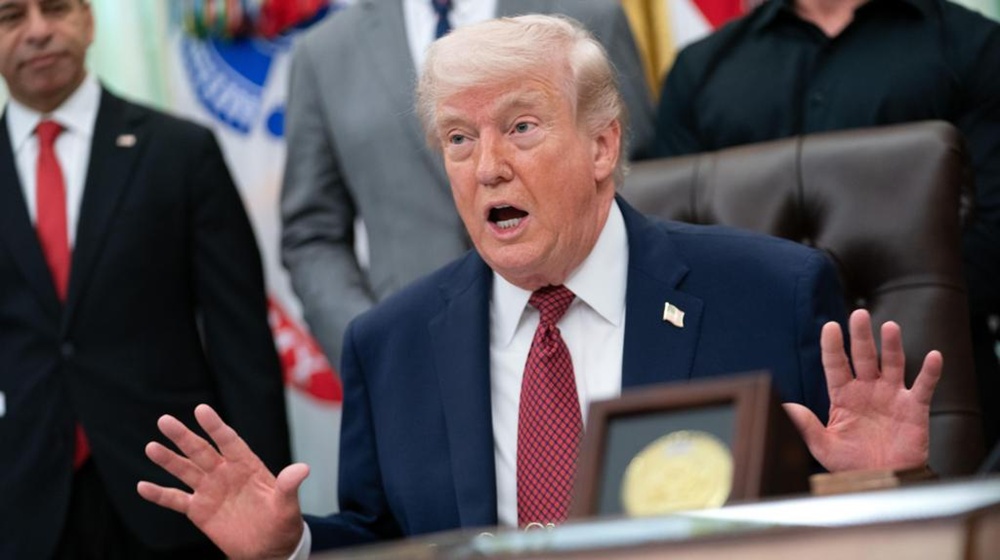
At the White House, Trump said he would rather pursue negotiations than immediate military action. He told reporters that the United States faces a choice between using overwhelming force or trying to reach an agreement. Moreover, he informed leaders in the U.S. Congress that he did not need their approval to extend military operations beyond a legal deadline because the ceasefire had already ended hostilities.
Later, during a speech in Florida, Trump said Washington would not end the confrontation too early only to face the same crisis again in a few years. Although he said he is not rushing, domestic pressure is increasing. The shipping disruption in the Strait of Hormuz has affected nearly 20 percent of global oil and gas flows. Consequently, gasoline prices in the United States have climbed.
That economic pressure could also create political problems for Trump and the Republican Party. Higher fuel prices could anger voters before the congressional midterm elections in November. For more than two months, Iran has restricted most shipping from the Gulf except its own vessels. Meanwhile, the United States imposed its own blockade last month on ships departing from Iranian ports.
A senior Iranian official said Tehran views its latest proposal as a meaningful step toward reducing tensions. Under the plan, the conflict would end with guarantees that the United States and Israel would not launch new attacks. In return, Iran would reopen the Strait of Hormuz and Washington would lift its blockade. For now, the path to an Iran deal remains uncertain, but the growing Strait pressure keeps diplomacy at the center of events.