

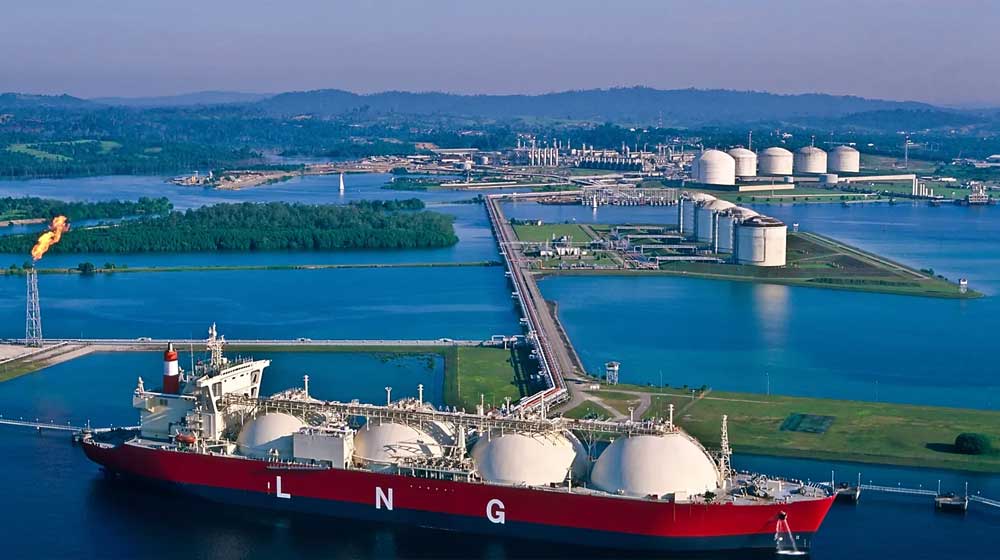
LNG supply to Asia faces a major crisis right now. The ongoing conflict involving Iran has blocked the Strait of Hormuz and damaged key facilities in Qatar. As a result, Asian countries that rely heavily on Middle Eastern LNG supply must prepare for serious shortages and much higher prices.
Asia buys about 90% of all LNG produced in the Middle East. Countries like China, Japan, India, South Korea, Pakistan, and others use this fuel to generate electricity and run industries. The current disruptions have already removed roughly 28 million tonnes of LNG from the global market this year. This amount equals nearly the entire expected growth in world LNG supply for 2026.
Two main problems created this crisis. First, Iran blocked the Strait of Hormuz, a narrow waterway that carries around 20% of global LNG flows. Tankers now struggle to pass through safely. Second, Iranian strikes damaged Qatar’s Ras Laffan complex — the world’s largest LNG export facility. Two liquefaction trains suffered heavy damage. This knocked out 12.8 million tonnes per year of production capacity, or about 17% of Qatar’s total output. Repairs may take three to five years.
QatarEnergy declared force majeure on several long-term contracts. The company expects annual revenue losses near $20 billion. These events together created an immediate and severe supply shock.
Price-sensitive nations such as India, Bangladesh, and Pakistan feel the strongest effects. Many companies now burn more coal or cut back on industrial activity to save energy. Even stronger economies like Japan, South Korea, and China face pressure, although they have more options to diversify sources.
Spot LNG prices in Asia jumped sharply — in some cases by over 140% since the conflict began. Analysts warn that prices could stay high for months. Pakistan, which depends almost entirely on Qatari LNG, has already raised concerns about possible power shortages starting in mid-April.
Experts from S&P Global, Rystad Energy, and ICIS reduced their global LNG supply forecasts by up to 35 million tonnes for 2026. Relief will likely not arrive until 2028, when new projects — mainly from the United States — start delivering more volumes.
Many Asian buyers now rush to secure alternative supplies. Some increase coal usage in power plants, while others explore faster development of domestic gas, solar, and nuclear energy. The crisis also pushes governments to review long-term energy security strategies.
This LNG supply disruption shows how vulnerable global energy markets remain to geopolitical events in the Middle East. For now, Asian countries focus on short-term measures to avoid blackouts and limit economic damage. The situation continues to develop quickly as the conflict progresses.

