
Global Energy Crisis: Iran Warns of Bab al-Mandeb Blockade
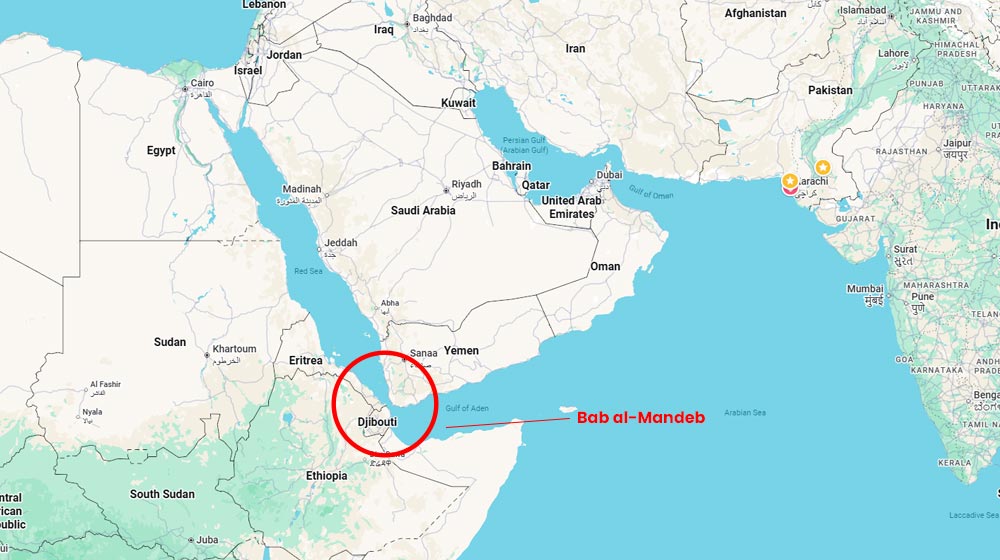
The stability of global maritime commerce faces a new and severe threat. In a startling escalation, Iran warns of Bab al-Mandeb closure. This signal indicates it may block the vital shipping route connecting the Red Sea to the Gulf of Aden. This warning serves as a direct response to potential United States actions. Friction continues to grow surrounding the nearby Strait of Hormuz. Because this narrow passage acts as a primary artery for energy supplies, any disruption could send shockwaves through the world economy.
Strategic Risks to International Shipping Routes
Energy experts fear that a blockade would cripple the flow of oil and gas. This would lead to immediate price spikes and worldwide shipment delays. The Islamic Revolutionary Guard Corps (IRGC) suggests it might open new fronts in the conflict. By leveraging allied groups like the Houthi forces in Yemen, Tehran could target maritime routes far beyond its own shores. This strategy aims to exert maximum pressure on Western powers. It threatens the very foundation of global energy stability.
Massive Economic Fallout for Pakistan’s Markets
A blockade would present a severe “double-shock” to Pakistan’s fragile economy. Since the closure of the Strait of Hormuz earlier this month, Pakistan has relied on the Red Sea route to bypass the Persian Gulf. If Iran warns of Bab al-Mandeb interference and follows through, this vital alternative lifeline would be severed. The country would face immediate and catastrophic fuel shortages. Most of its refined petroleum and LNG cargoes currently transit these specific waters.
The economic consequences would be devastating. Analysts predict a complete blockade could push domestic petrol prices toward Rs 400 per litre. This would fuel record-breaking inflation across all sectors. Pakistan’s textile exports would also suffer. Rerouting ships around Africa adds 20 days to transit times. This delay makes seasonal exports uncompetitive and doubles freight insurance premiums. The increased cost of shipping could drain national reserves by 40% by June 2026. This would place the country back on the brink of a balance-of-payments crisis.