
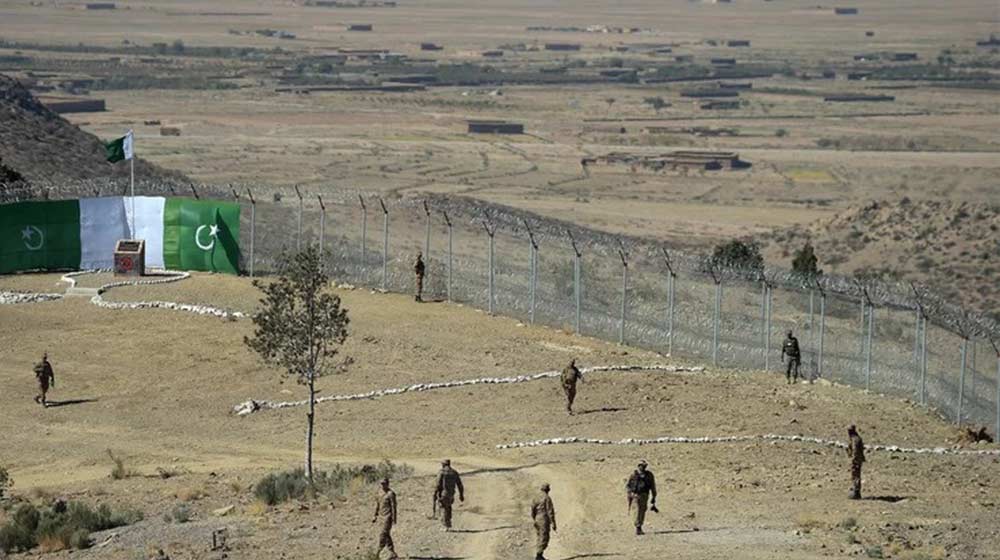
Pakistan’s security forces have achieved a major tactical breakthrough during Operation Ghazb lil Haq. In a high-stakes ground assault, troops successfully secured 32 square kilometres of the Ghudwana Enclave in the Zhob sector. This region previously served as a critical staging zone and logistical corridor for militant elements. By taking control of this area, the military has effectively disrupted cross-border networks. This move denies operational depth to those attempting to destabilize the western frontier.
The success at the Ghudwana Enclave is part of a broader push to stabilize the border. In North Waziristan, targeted actions focused on the Ghulam Khan axis. Forces in Nushki and Qilla Abdullah neutralized multiple enemy observation points during recent engagements. Despite these gains, the situation remains highly volatile. Cross-border firing in the Torkham sector resulted in limited damage to Pakistani installations. Security personnel are currently working to clear remaining pockets of resistance. They are establishing permanent consolidation measures to prevent any re-infiltration.

According to the latest figures, the scale of Operation Ghazb lil Haq remains significant. Reports indicate that 352 Afghan Taliban fighters have been killed, with hundreds more injured. The operation has successfully targeted 41 locations across Afghanistan via air strikes. These missions destroyed 130 check posts and 171 armed vehicles. While these strikes focus on military infrastructure, the heightened alert in urban centers reflects the ongoing risk. Security remains tight in Khyber Pakhtunkhwa to protect against retaliatory attempts.
The capture of the Ghudwana Enclave marks a turning point in the mission to secure the western border. By neutralizing such a significant logistical hub, Pakistan’s security forces have strengthened their defensive posture. As consolidation continues, the focus remains on maintaining the momentum of the mission. Protecting civilian populations in the affected border areas remains the top priority for the state.