
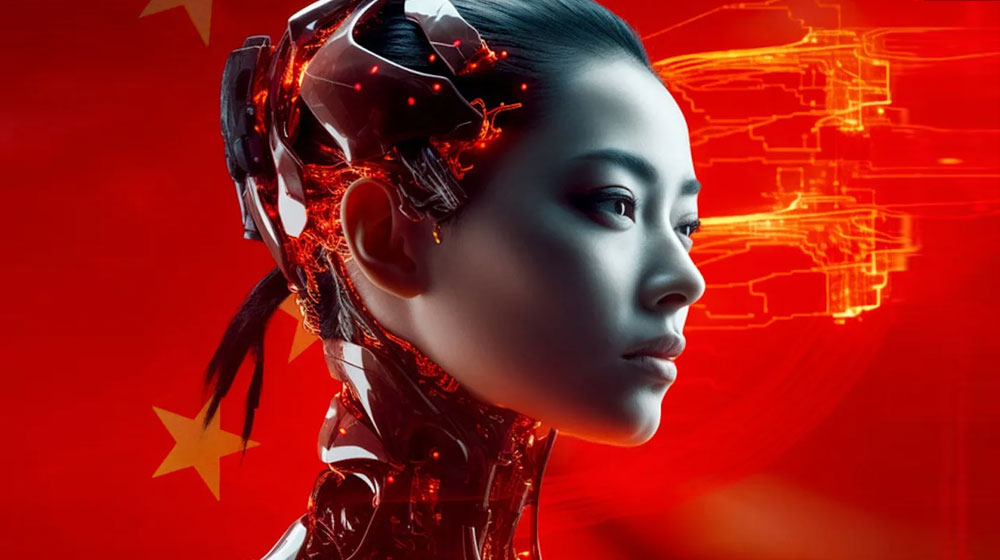
In the heart of Beijing and the laboratories of Shanghai, a new industrial revolution is being coded into existence. China is no longer just the world’s factory; it is rapidly becoming its primary laboratory for “Physical AI.” From kung-fu performing robots to autonomous lunar bases, the nation is executing a meticulously crafted blueprint to lead the next century of global innovation.
The Rise of Physical AI: Robots with “Soul”
While much of the global tech conversation has focused on digital chatbots, China is pulling ahead in Physical AI—the integration of advanced software into hardware that can touch, move, and work.
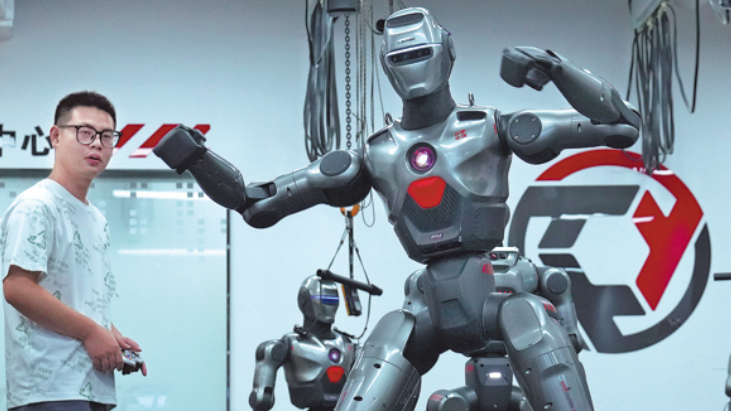
At recent events like the World Robot Conference and the 2026 Mobile World Congress (MWC), Chinese firms like Agibot and Unitree have stolen the spotlight. We aren’t just talking about industrial arms on assembly lines; we are seeing:
- Humanoid Companions: Robots like “Bumi” are entering the mass market as family companions for as little as $1,400.
- Emotional Interaction: Startups like Ex-Robots are designing lifelike humanoids with enhanced facial expressions, designed to foster emotional connections in education and elderly care.
- The “Dark Factory” Vision: Fully automated factories that operate 24/7 without human intervention, producing the very robots that will eventually staff them.
From Earth to the Moon: The Seamless Ecosystem
China’s innovation strategy is unique because of its scale. The same 6G technology and AI algorithms being used to track viral videos on Douyin are being deployed in the Chang’e lunar missions.
A standout example is the “6G+ Quadruped Robot”—an all-terrain autonomous platform designed to act as a “digital avatar.” These robots are being built to operate in environments where humans cannot survive permanently, such as deep-sea platforms and the planned Chinese lunar base. By bridging the gap between consumer tech and extreme-environment exploration, China is creating a “seamless ecosystem” that analysts say is its biggest competitive advantage.
A Long-Term Blueprint: The 15th Five-Year Plan
This boom is not an accident. As China kicks off its 15th Five-Year Plan (2026–2030), the government has made its priorities clear. In recent policy recommendations, the words “technology” and “innovation” appeared over 100 times combined.
Under President Xi Jinping’s “innovation-driven” vision, the goal is to transform China from a major economy into a “truly strong economic power.” This involves:
- Supply Chain Dominance: China currently controls 70% of the global market for LiDAR sensors and is a leader in the high-precision gears (harmonic reducers) that allow robots to move with human-like dexterity.
- Resource Mobilization: The ability to move massive amounts of capital and talent toward “new quality productive forces” allows Chinese startups to iterate faster than almost anywhere else on Earth.
The Global Perspective
The world is taking notice. The WIPO Global Innovation Index 2025 placed China in the top 10 worldwide for the first time. From South Korean leaders shaking hands with Chinese robots to German officials testing Chinese-developed driver-assistance systems, the global community is increasingly turning to China for a glimpse of the future.
As the lines between imagination and reality continue to blur, China’s tech boom serves as a reminder that the next great frontier isn’t just in the cloud—it’s in the physical world and beyond.