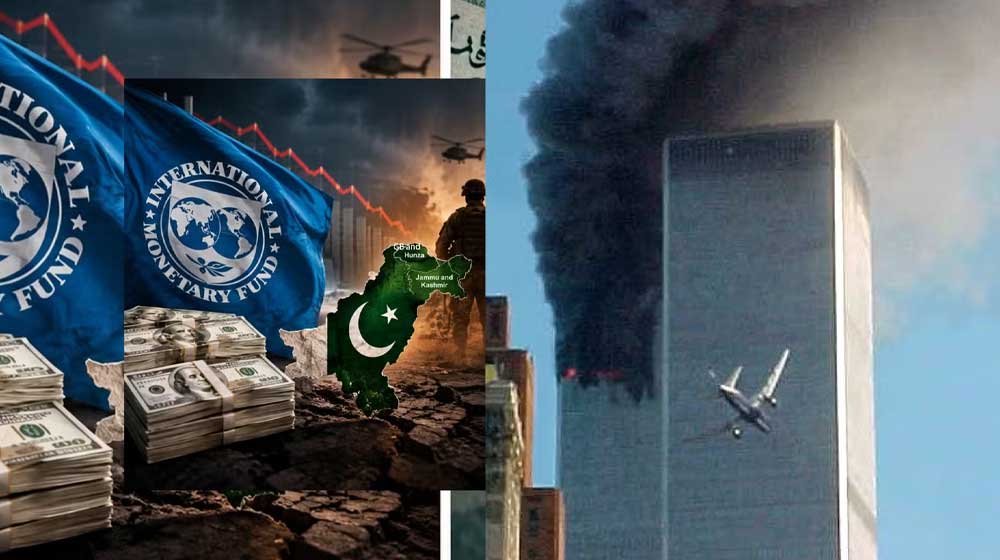
Dr. Ashfaque Hassan Khan, a former economic adviser to the finance ministry, has made a striking claim. He said Pakistan IMF policies have cost the country around $148 billion over a five-year period. However, he said the estimated loss exceeds the $130 billion economic cost of the War on Terror. Pakistan incurred that cost during 13 years of the US coalition’s campaign.
Ashfaque made the claim while speaking to a private news channel. He answered some very sensitive economic questions during the programme. The comparison stands out because the War on Terror already carried a heavy price for the economy. He said Pakistan received only around $6-7 billion in IMF loans during the period.
Meanwhile, the cost of the policies was far larger. Therefore, the loans looked small next to the damage he described. The gap between borrowing and cost sits at the heart of his argument. Still, the borrowing brought little relief compared with the losses he cited.
Ashfaque also criticised the current interest rate policy. He said the State Bank of Pakistan’s policy rate of around 11.5 percent is not the appropriate tool. It does not suit the current sources of inflation, he added.
Instead, he said recent inflationary pressure comes largely from higher fuel and food prices rather than excessive demand. He specifically pointed to rising wheat and other food prices. He also cited higher fuel costs and an additional Rs. 80 per litre in petroleum levy.
Ashfaque said higher interest rates cannot effectively tackle inflation from the supply side. Monetary tightening, he explained, mainly aims to control demand. Furthermore, he stressed that the problem lies with supply rather than demand.
Therefore, he suggested, the policy rate targets the wrong problem. Ordinary consumers also feel fuel and food costs most directly. Overall, Pakistan IMF policies and rate decisions came under fire in the same interview. The remarks add to an ongoing debate about how the country should respond to rising prices.