
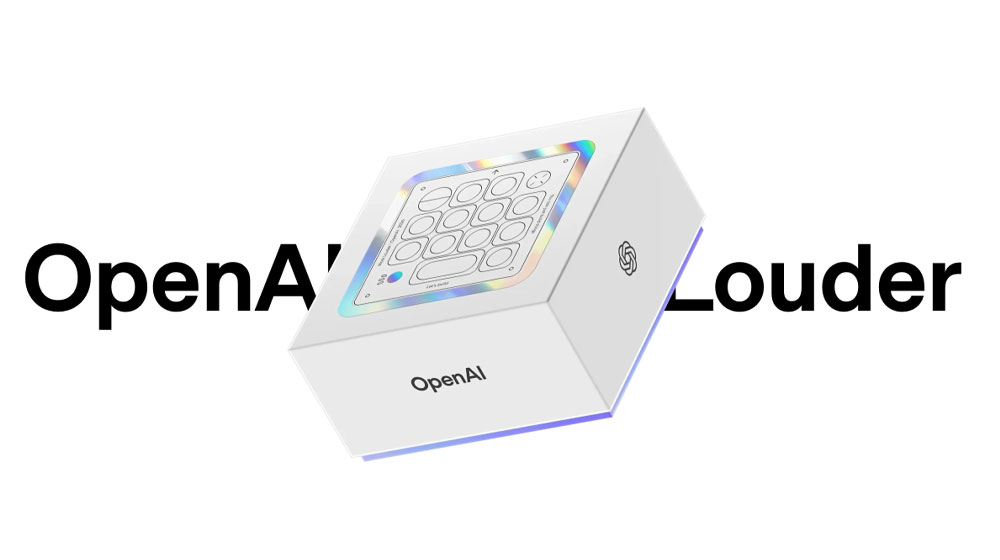
OpenAI just dropped $230 on a keyboard. The company officially unveiled the Codex Micro, a light-up device co-designed with specialty keyboard maker Work Louder. Therefore, OpenAI hardware ambitions are no longer theoretical—they’re real products on store shelves.
The Codex Micro targets ChatGPT users managing AI coding agents. Light-up “Agent Keys” display agent status. Customizable Command Keys serve as shortcuts for frequent actions. A joystick launches workflows. Additionally, a dial adjusts agent reasoning levels. OpenAI calls it a “command center for agentic work.” Basically, it’s meant to look cool while you boss around AI bots.
The keyboard is controllable through the ChatGPT desktop app. OpenAI told TechCrunch this is a limited-run collaboration. Translation: it’s experimental, not mass-market. The company is testing hardware waters with a novelty item first.
However, bigger OpenAI hardware news arrived Tuesday. Bloomberg revealed an unreleased screenless smart speaker in development. The device integrates with ChatGPT and features “mechanical elements that can move on their own.” Details remain murky since the product is still evolving. Still, it signals OpenAI’s serious hardware ambitions beyond novelty keyboards.
Former Apple engineers designed the mysterious device. That detail matters enormously given current circumstances. Apple sued OpenAI last week for allegedly stealing trade secrets. The lawsuit accuses OpenAI leadership of deliberately extracting confidential information for hardware development. OpenAI denies all wrongdoing.
The timing looks terrible for OpenAI. Launching keyboard hardware while facing Apple’s allegations compounds public relations problems. Moreover, using former Apple engineers on the secret device projects adds fuel to Apple’s fire. Furthermore, the irony isn’t lost—OpenAI is entering the hardware market at the exact moment Apple claims the company stole its playbook.
Apple specifically alleges that two former employees—Tang Yew Tan and Chang Liu—misappropriated confidential designs and manufacturing knowledge. Tan now serves as OpenAI’s hardware chief. That fact appears prominently in Apple’s lawsuit.
OpenAI’s hardware strategy suggests the company views this sector as central to its future. Consumer devices create direct relationships with users. They generate recurring revenue. Additionally, they embed AI deeper into daily life. Therefore, despite legal headwinds, OpenAI appears committed to becoming a hardware company.
Whether the company can navigate the Apple lawsuit while launching products remains unclear. Finally, the $230 keyboard debut proves OpenAI hardware is here to stay.