
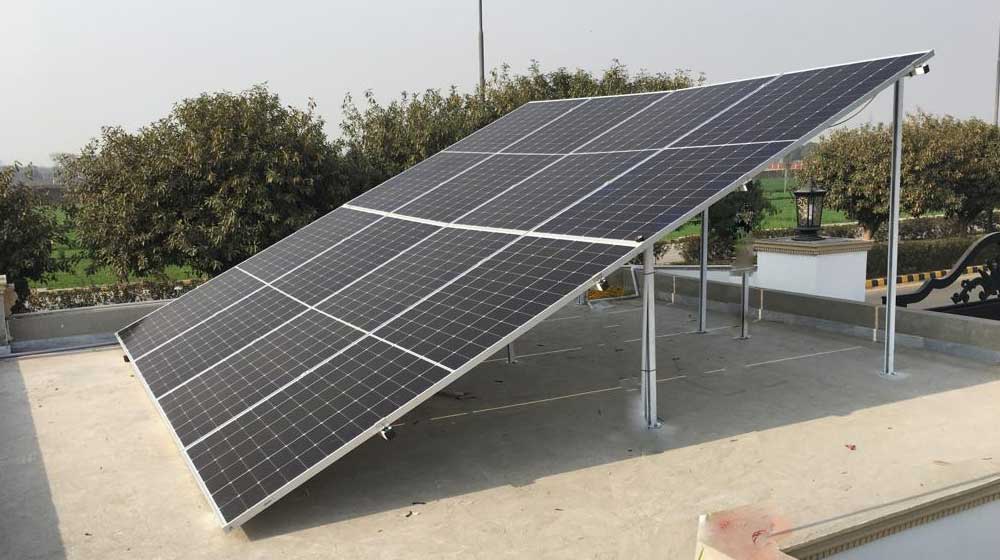
Solar energy adoption in Pakistan has exploded in recent years. Ordinary citizens and businesses install rooftop solar systems rapidly. They choose solar energy mainly to escape frequent load shedding and extremely high electricity tariffs rather than relying on official policies or discounts.
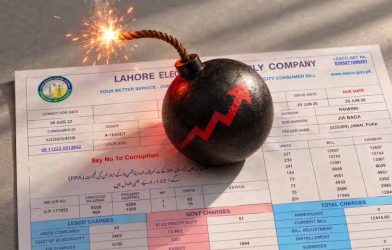
Pakistan faces chronic power challenges. Electricity tariffs jumped by around 155% in just three years after subsidy withdrawals and rising circular debt. Many families now pay huge monthly bills that strain their budgets. At the same time, load shedding persists in several areas, even though the country has surplus generation capacity on paper. Daytime demand drops because more people generate their own power through solar energy. This consumer-driven shift helps millions reduce dependence on the unreliable and expensive national grid.
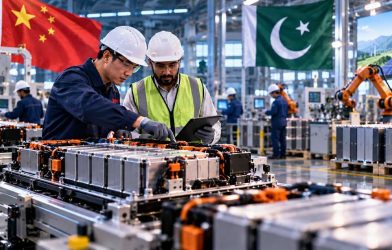
Global solar panel prices fell sharply due to oversupply from China. Pakistan imported over 51 GW of panels, making systems more affordable with payback periods often under four years for average users. Farmers switch to solar-powered tube wells to cut diesel costs, while households and small industries seek reliable daytime electricity. Experts estimate that solar energy now contributes nearly 20% of grid-supplied electricity in some periods. This people-led revolution happened mostly through market forces, not heavy incentives.
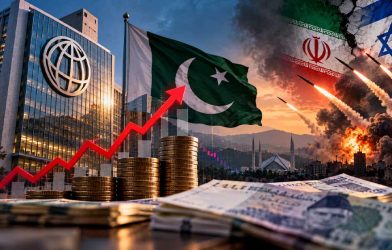
Rising global oil prices usually hit Pakistan hard because the power sector relies on imported fuels like LNG and furnace oil. However, the massive uptake of solar energy has cushioned the blow. During daytime hours, solar generation replaces expensive thermal plants. Analysts calculate that Pakistan avoided over $12 billion in oil and gas imports thanks to this boom, with potential additional savings of $6.3 billion by the end of 2026. Lower fuel consumption means fewer costly adjustments pass directly to consumer tariffs. Even when international oil and gas prices spike due to Middle East tensions, the reduced need for fossil-based power limits the impact on electricity bills.
Pakistan’s electricity tariffs remain higher than in many regional countries. This gap pushes more people toward self-generation. In contrast to some neighbors that offer deeper subsidies, Pakistan’s high costs and unreliable supply create strong incentives for solar energy. Users report immediate relief from bill shocks and fewer outages on sunny days. The old net metering rules encouraged early adopters, though newer net billing regulations adjust export rates for surplus power.
This shift brings clear advantages. Solar energy reduces fuel imports, lowers daytime emissions, and gives families greater control over their energy costs. It also improves energy security for a country vulnerable to global price swings. Many install systems simply because they deliver cheaper and more dependable power during peak sunlight hours.
Challenges still exist. Widespread solar energy use lowers grid demand, which spreads fixed capacity payments across fewer customers and can pressure remaining tariffs upward. Grid infrastructure needs upgrades to manage two-way power flows. New regulations aim to balance utility finances while supporting continued growth.
Overall, the story of solar energy in Pakistan shows how practical needs drive real change. People do not wait for perfect government policies. They act because high tariffs and load shedding make rooftop solar a smart, immediate solution. This bottom-up movement continues to reshape the country’s energy landscape and offers lessons for other developing nations facing similar pressures.