

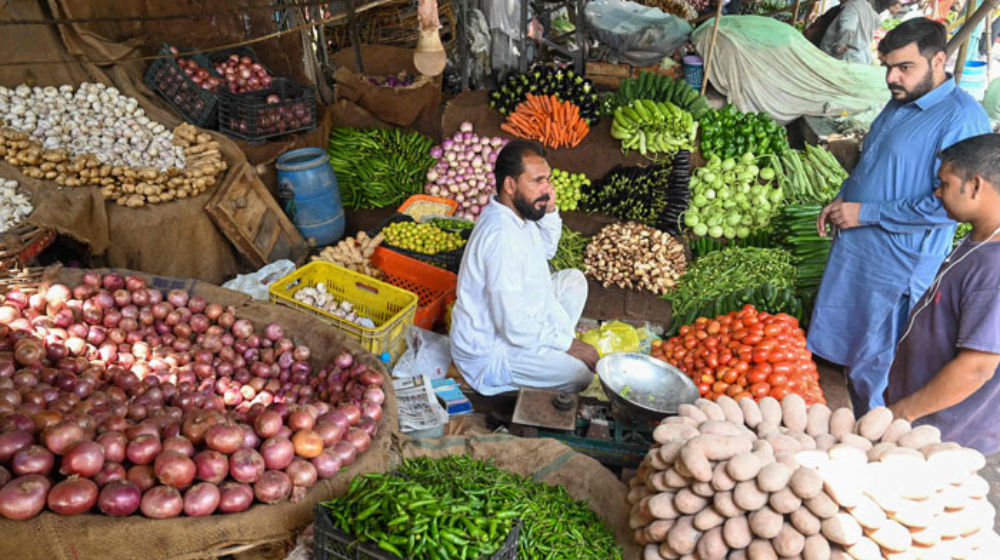
Weekly inflation increased in Pakistan during the second week of the current fiscal year as prices of 27 essential commodities moved higher. The latest data from the Pakistan Bureau of Statistics (PBS) showed that only four items became cheaper, while prices of 20 commodities remained unchanged. Rising food and fuel costs played a major role in pushing inflation upward.
The Sensitive Price Indicator (SPI) recorded a 1.40% weekly increase, while annual SPI inflation climbed to 13.09% from 11.94% a week earlier. The report tracks retail prices of essential goods across selected urban centres and income groups. Economists closely monitor the index to assess short-term inflation trends and their impact on households.
Food prices showed noticeable increases during the week, with tomatoes recording the biggest jump of 22.79%. Chicken prices rose 14.66%, while onions became 1.53% more expensive and potatoes increased by 0.85%. The PBS also reported a 2.15% rise in egg prices, a 3.72% increase in garlic prices, and a 1.56% increase in tea prices.
Energy products also became more expensive during the week. LPG prices climbed 12.46%, while petrol prices increased 4.40% and high-speed diesel rose 4.41%. These increases are expected to raise transportation and household costs, adding further pressure on consumers already facing higher living expenses.
Only a few commodities become cheaper
Despite the broader increase in prices, a limited number of essential items became less expensive. Sugar prices declined 0.36%, bananas fell 0.80%, moong lentils dropped 0.70%, and masoor lentils eased by 0.10%. However, these reductions had only a modest effect on the overall inflation trend.
The PBS compiles the Sensitive Price Indicator using retail prices collected from selected markets across Pakistan. The index helps measure short-term changes in the cost of essential goods for different income groups. Policymakers use this data to monitor inflation and evaluate its impact on consumers and the broader economy.

