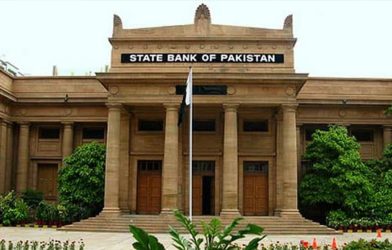


The State Bank of Pakistan (SBP) is preparing for a critical monetary policy review on 27 April. Credible sources suggest the central bank may sharply raise its benchmark interest rate by 150 to 300 basis points. This potential SBP interest rate decision comes in response to rising inflationary pressures linked to the ongoing regional conflict. If the committee moves forward with this adjustment, the policy rate could reach approximately 12 to 14 percent. Such a shift would significantly impact the purchasing power of citizens across the country for several months. Experts note that fuel prices and inflation already show contractual effects from the volatile global situation.
Currently, the official policy rate stands at 10.50 percent, but insiders believe a hike is now imperative. Policymakers want to contain imported inflation and stabilize the exchange rate amidst geopolitical uncertainty. The federal government has already informed the International Monetary Fund (IMF) of its readiness to tighten monetary policy if inflation intensifies. This proactive stance aims to protect the economy from further shocks as global oil and food prices surge. The petroleum division took the first step recently by implementing a massive hike in fuel prices to align with international market trends.
Role of the IMF in the SBP Interest Rate Decision
The timing of the next $1.2 billion loan installment remains a deciding factor for the central bank. If the agreed funds arrive before 20 April, they will reflect in the national forex reserves before the next meeting. This injection could help offset the current economic pressure and potentially delay a drastic SBP interest rate decision for the short term. A former professor from NUST Islamabad told ProPakistani that these reserves are vital for balancing the domestic outlook. Without this deposit, the Monetary Policy Committee (MPC) may have no choice but to act preemptively to curb rising costs.
Market reactions to a possible rate hike suggest that lending will become much more expensive for consumers. Businesses could face higher borrowing costs, which often slows down industrial productivity and expansion. However, fixed-income account holders might see better returns on their savings instruments as deposit rates climb. This upcoming review represents one of the most consequential economic updates in recent years. Both households and investors are watching the central bank closely as the deadline for the IMF tranche approaches. The final choice will likely determine the trajectory of the Pakistani rupee and domestic inflation for the remainder of the fiscal year.