SBP policy rate unchanged at 11.5 percent as double-digit inflation, Middle East conflict, and FY27 uncertainties shape the decision
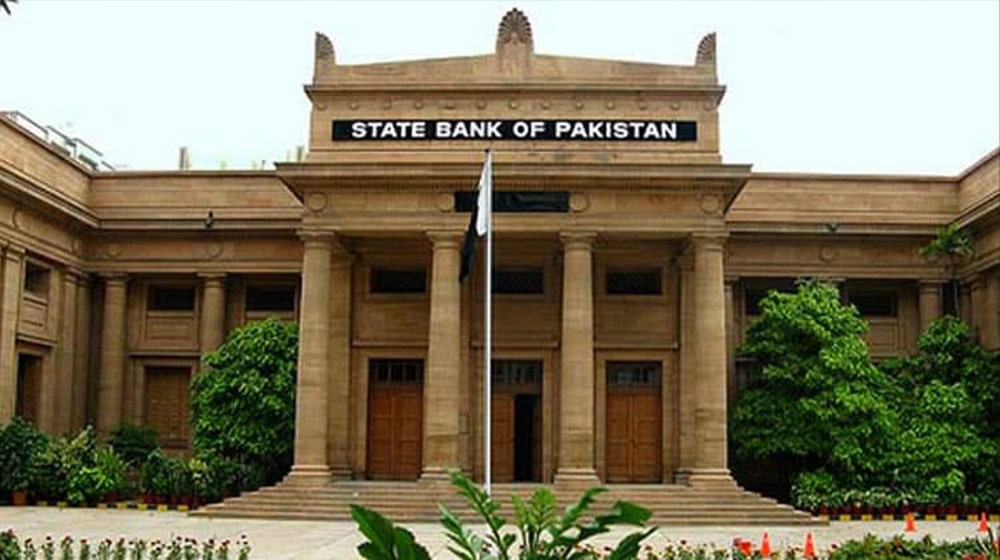
Pakistan’s central bank held its ground on Monday. The State Bank of Pakistan kept the policy rate unchanged at 11.5 percent in its latest Monetary Policy Committee meeting, marking the last MPC session of fiscal year 2025-26. Furthermore, this is the first pause in rate movement since the April 2026 session.
The MPC noted that global oil prices have eased following recent geopolitical developments. However, they remain elevated compared to pre-war levels. Meanwhile, the economic impact of the Middle East conflict has started showing up clearly in Pakistan’s macroeconomic indicators.
Headline inflation surged from 7.3 percent in March to 10.9 percent in April and further to 11.7 percent in May. Core inflation also climbed, reaching 8.2 percent in April and 8.7 percent in May. Higher domestic energy prices, rising transportation costs, and an unexpected spike in wheat prices all contributed to the sharp increase. The MPC expects inflation to remain in double digits in the coming months before gradually easing.
Despite these pressures, the Committee assessed that the current monetary stance remains appropriate to guide inflation back toward the medium-term target range of 5 to 7 percent. The SBP policy rate unchanged decision therefore reflects a holding pattern rather than a shift in direction.
Real Sector
Real GDP grew by 3.7 percent in FY26, up from 3.2 percent in FY25. Growth came primarily from the services and industrial sectors, with agriculture also contributing meaningfully. Large-scale manufacturing recorded strong growth of 6.5 percent during July-March FY26. However, the MPC expects this to moderate in Q4. Moreover, subdued agricultural prospects and challenging weather conditions for Kharif crops may weigh on the FY27 growth outlook.
External Sector
The current account posted a deficit of $0.3 billion in April, bringing the cumulative July-April deficit to $0.2 billion. A surge in energy imports drove the widening trade gap. Still, strong remittance inflows in May are expected to contain the full-year deficit toward the lower end of earlier projections. Additionally, SBP foreign exchange reserves reached $17.2 billion as of June 5, 2026, and the MPC projects reserves to hit $18 billion by end-June.
Fiscal Sector
Fiscal consolidation remained broadly on track during July-March FY26, driven mainly by expenditure restraint. However, revenue growth slowed compared to the same period last year. Consequently, FBR revised its collection target to around Rs. 13 trillion for FY26. The government still expects to achieve a primary surplus of 2.5 percent of GDP for FY26 and targets a 2.0 percent surplus for FY27.
Money and Credit
Broad money growth moderated slightly to 14.3 percent year-on-year as of May 29, 2026. Private sector credit grew by around 13 percent, driven by working capital, fixed investment, and consumer financing. Meanwhile, currency in circulation increased partly due to seasonal Eid-related withdrawals.
Inflation Outlook
The MPC flagged several risks to the inflation outlook. These include geopolitical developments, global-to-domestic fuel price pass-through, power and gas tariff adjustments, potential fiscal slippages, and volatile food prices. Therefore, the path back to the 5 to 7 percent target range will depend heavily on how these risks unfold over the coming months.
Overall, the SBP’s decision to hold reflects careful navigation of a complex environment. The central bank is balancing persistent inflation against fragile growth, all while managing external pressures and maintaining commitments under its IMF programme.