
The Pakistan Telecommunication Authority (PTA) flagged 586 harmful websites, apps and social media accounts between July 2025 and June 2026, according to its Cyber Security Annual Report 2025-26.
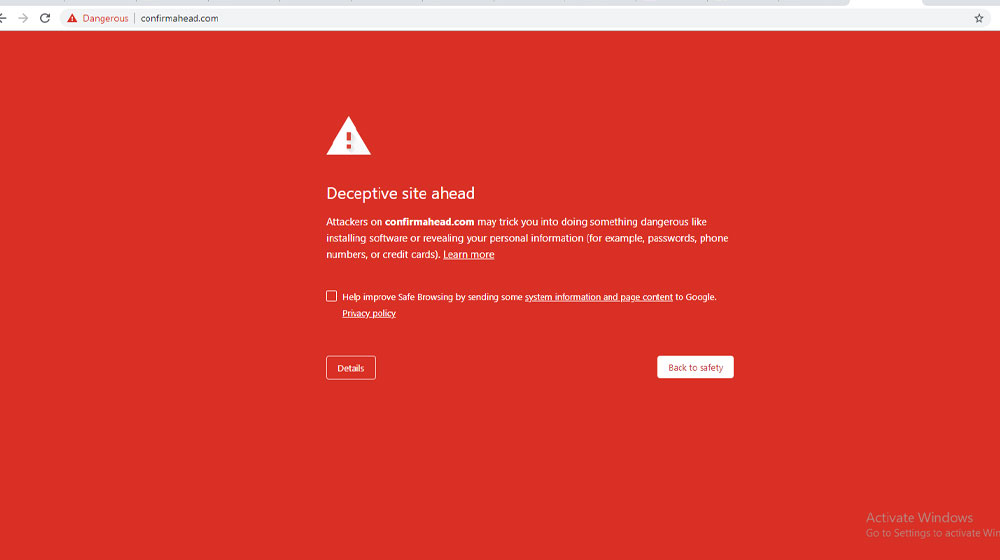
These included 152 fake or dangerous website links, 48 harmful mobile apps and 386 suspicious social media accounts and pages. That means about two out of every three threats came from social media.
How the scams work
The report says most of these sources were used for fake websites, pretending to be real people or companies, phishing and spreading harmful content.
Phishing is a trick where a scammer sends a fake message or link to get your password, bank details or CNIC number. It often looks like a message from your bank, a courier company or a government office.
September 2025 saw the sharpest rise in links and accounts flagged for blocking, with numbers falling in the months after, the report shows.
What PTA found on the dark web
The PTA’s National Telecom Security Operations Centre (nTSOC) watches the open internet, social media and hidden parts of the web where hackers trade stolen data.
Through dark web monitoring alone, it found 326 threat signs linked to Pakistan during the year, Business Recorder reported. More than half, 53%, were cases of hackers defacing websites, or changing how a site looks. Data leaks made up 27%, and attacks meant to crash websites made up 13%.
PTA says it shares these findings with telecom companies, the National Cyber Emergency Response Team (National CERT) and other bodies so they can act before people are harmed.
Thousands are losing money
The 586 sources flagged by PTA are only a small part of the problem. The National Cyber Crime Investigation Agency (NCCIA) received 150,542 complaints in 2025, the National Assembly was told in January. Of those, 81,996 were about financial fraud.
Over the past three years, more than 227,000 people told NCCIA they had lost a total of Rs. 8.32 billion to online scams, the Express Tribune reported. NCCIA sources said many more people lose Rs. 2,000 to Rs. 20,000 every day but never report it.
Simple ways to stay safe
- Never share an OTP, PIN or CNIC details over a call, SMS or WhatsApp, even if the person says they are from a bank or PTA.
- Do not click links in messages about prizes, held parcels or traffic fines. Open the official website or app yourself instead.
- Download apps only from the Google Play Store or Apple App Store, and check the developer’s name.
- Be careful with social media pages offering jobs, loans or cheap products that ask for advance payment.
- Turn on two-step verification for WhatsApp, Facebook and Instagram.
If you have been scammed, call your bank or mobile wallet helpline straight away to try to stop the payment. You can then file a complaint on the NCCIA’s online portal at complaint.nccia.gov.pk.