
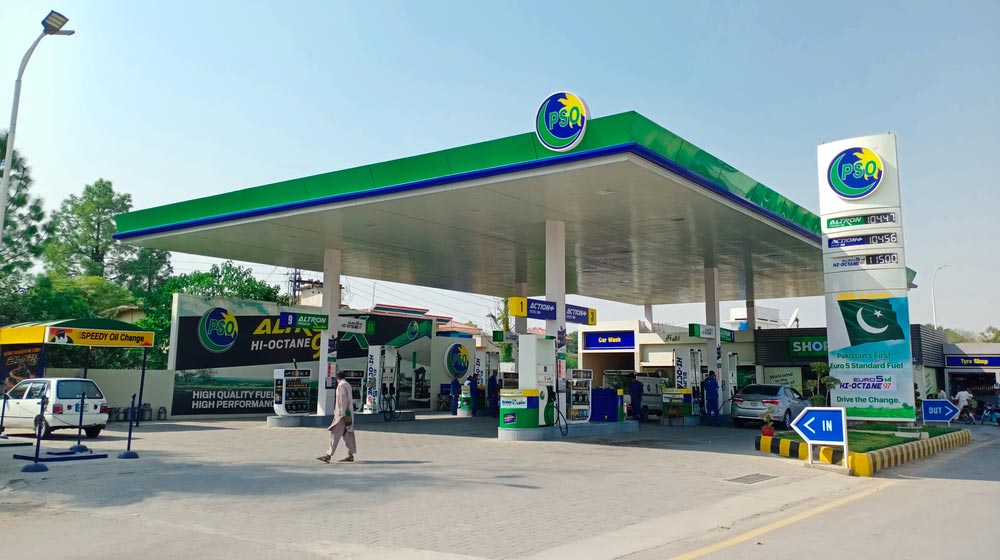
The government of Pakistan has announced a major petrol price increase effective from 4 April 2026. Petrol price has jumped by Rs137.23 per litre, taking the new price to Rs458.41 per litre. High-speed diesel also increased significantly by Rs184.49 to Rs520.35 per litre.
Many people are surprised and asking: Why is the petrol price increase happening in Pakistan even though the Strait of Hormuz has reopened?
Main Reasons Behind the Petrol Price Increase
- Global Oil Prices Still High Although the Strait of Hormuz is now open, international crude oil prices remain elevated due to the recent US-Israel vs Iran conflict. Pakistan imports most of its oil, so the cost of new shipments has gone up sharply.
- Unsustainable Fuel Subsidy In the past few weeks, the government was giving a massive subsidy of nearly Rs7 billion per day. This heavy burden on the budget became unsustainable, forcing the government to reduce the subsidy and increase prices.
- Old Cheap Stocks Are Finished Pakistan was using cheaper old oil stocks bought before the price spike. Once those stocks ended, the government had to adjust prices according to the new, much higher import cost.
- Rupee Depreciation The weakening of the Pakistani rupee against the US dollar has further increased the cost of importing oil.
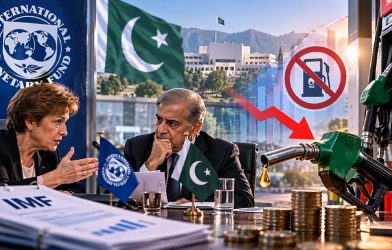
- Pressure to Reduce Fiscal Deficit The government is under pressure to control unnecessary subsidies and improve fiscal discipline, especially ahead of IMF reviews.
New Petrol Prices (Effective 4 April 2026)
- Petrol: Rs458.41 per litre (↑ Rs137.23)
- High Speed Diesel: Rs520.35 per litre (↑ Rs184.49)
This sharp petrol price increase will directly affect transportation costs, ride-hailing services, goods delivery, and the price of daily essentials. Inflation is expected to rise in the coming weeks.
The government has indicated it will soon introduce a targeted subsidy system through an app for motorcyclists and low-income groups, instead of giving blanket relief to everyone.
Summary
Even with the Strait of Hormuz reopened, the petrol price increase in Pakistan was inevitable due to high global prices, exhausted cheap stocks, and the heavy subsidy burden. The coming days will show how this major hike impacts the economy and daily life of citizens.