

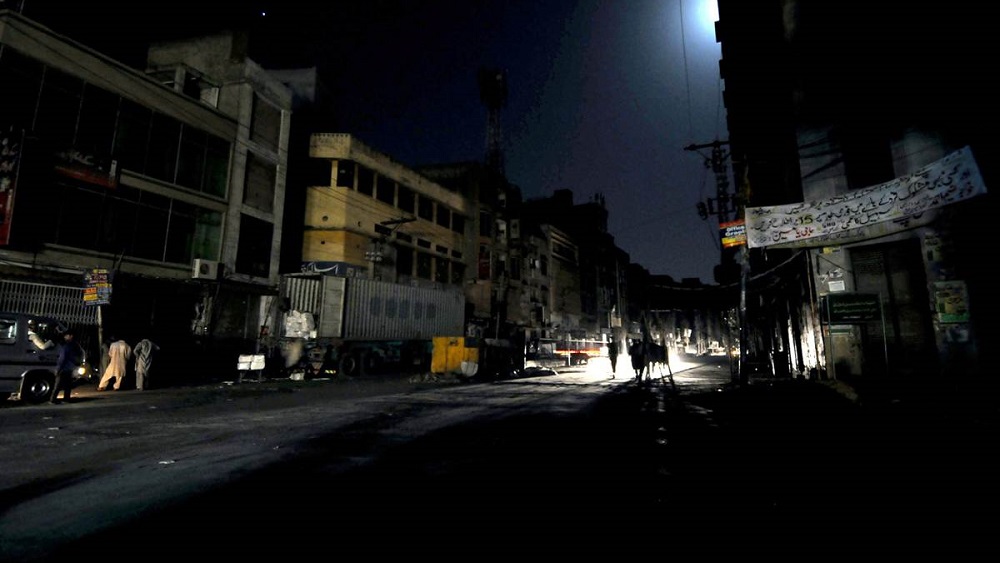
The Pakistan power shortfall summer 2026 is creating serious concerns as the country prepares for peak electricity demand. With fuel supplies tightening, authorities are planning a mix of load-shedding, conservation measures, and higher tariffs. As a result, consumers and businesses may face increased costs and reduced power availability in the coming months.
The situation has worsened due to declining imports of liquefied natural gas (LNG), which plays a key role in power generation. Officials expect LNG supplies to drop sharply, which could leave several efficient power plants underutilized. At the same time, coal availability also remains limited, adding further pressure on the energy mix.
The Pakistan power shortfall summer 2026 is forcing the government to rely on expensive alternatives. Authorities are turning to furnace oil to meet electricity demand. However, this fuel costs significantly more than LNG or coal. Therefore, power generation costs are rising quickly, which may lead to higher electricity tariffs for consumers.
In addition, around 5,000 megawatts of LNG-based capacity may remain idle due to fuel shortages. This gap could increase fuel cost adjustments by Rs. 10 to Rs. 12 per unit. Meanwhile, high-speed diesel remains an impractical option due to its extremely high cost.
Demand is also expected to surge during summer. Pakistan’s peak electricity demand can reach up to 28,000 megawatts, while current usage remains much lower. Although rooftop solar systems have reduced daytime demand, evening hours will still face heavy pressure. As a result, officials are preparing for two to three hours of daily load-shedding.
Furthermore, gas supply for power generation is declining. Authorities may divert gas from other sectors, including fertiliser and transport, to support electricity production. At the same time, logistical issues are affecting coal supply to key plants such as Sahiwal Coal Power Plant and Jamshoro Power Plant. These disruptions could reduce generation capacity further.
Finally, the Pakistan power shortfall summer 2026 highlights the urgency of energy planning. Without stable fuel supplies, the country may face higher tariffs and prolonged outages. The coming months will be critical for managing demand and ensuring grid stability.