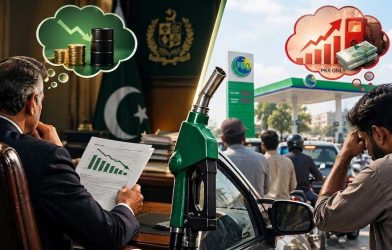
The Pakistan petroleum supplies situation remains stable as authorities confirm fuel availability for the next 30 days. Amid rising geopolitical tensions in the Middle East, Pakistan has taken proactive steps to secure petrol and diesel stocks through April 25. Officials report that improved planning and diversified imports have helped protect the country from potential supply disruptions.
Refineries across Pakistan are operating efficiently, with utilization rates ranging between 80% and 100%. This steady output, combined with timely imports, has strengthened the overall fuel supply chain and reduced immediate risks.
Pakistan Petroleum Supplies Boosted by Imports and Refinery Output
The Pakistan petroleum supplies strategy relies heavily on increased imports and higher refinery performance. The country has sourced multiple fuel shipments from Oman, including gasoline and diesel cargoes, with additional deliveries expected soon. Pakistan State Oil is also negotiating further imports to meet rising domestic demand.
Local refinery operations have improved significantly. Pak-Arab Refinery Company is running at full capacity and holds crude reserves for around two weeks, with incoming shipments expected to extend supply coverage. Meanwhile, National Refinery Limited and Pakistan Refinery Limited are operating at about 80% capacity, reflecting better crude availability.
Authorities credit this stability to contingency planning after recent regional conflicts raised concerns about global oil supply routes, especially through the Strait of Hormuz. Pakistan secured alternative crude shipments from key hubs like Fujairah in the UAE and Yanbu in Saudi Arabia to avoid disruptions.
This strategic approach has allowed Pakistan to maintain steady fuel availability, even as other regional markets face tighter conditions. By diversifying supply sources and improving refinery output, the government aims to keep the energy sector stable during uncertain global conditions.