Pakistan’s Fuel Subsidy Crisis: Why Delaying Price Hike is Dangerous
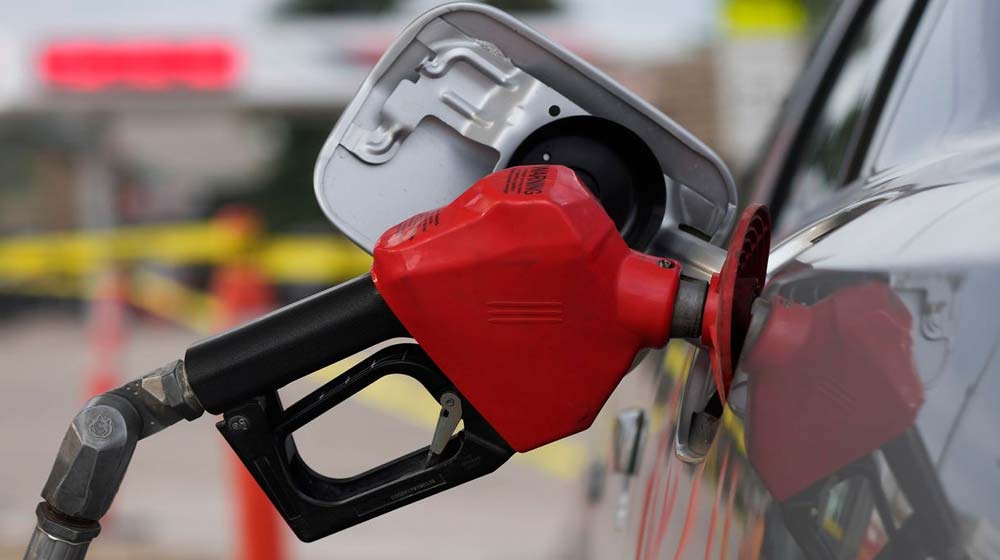
Pakistan is facing a serious fuel subsidy crisis in 2026. Despite sharp increases in international oil prices, the government has chosen not to pass the full impact on to consumers. Instead, it is providing a massive daily subsidy of nearly Rs7 billion — an amount higher than the cost of running the entire government machinery.
The Heavy Cost of Subsidy
Petroleum consumption remained almost unchanged in March despite talks of rationing. The real burden is now coming from pricing. The government is absorbing the difference between international and local prices, which has pushed the subsidy level to dangerous heights.
On diesel, the differential has reached Rs204 per litre, while on petrol it stands at Rs96 per litre. After adjusting for the petroleum levy, the average subsidy is around Rs139 per litre. At current demand, this equals roughly Rs7 billion per day.
Rising Pressure on Current Account
Pakistan’s average monthly petroleum import bill over the last 12 months has been $900 million. Due to higher global prices in March, this bill is expected to increase by an additional $650 million.
Payments for March imports are due in April. This single month could widen the current account deficit by $650 million. If continued, the annualized impact could reach $8 billion — nearly half of Pakistan’s borrowed foreign exchange reserves.
Risk to IMF Programme and Economy
This approach is widening both the current account and fiscal deficits rapidly. Analysts warn that if the government continues this policy for another one or two months, the twin deficits could spiral out of control.
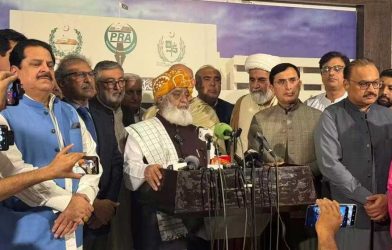
There are strong indications that the IMF is unhappy with the delay in passing on fuel prices. The board approval for the third review is reportedly linked to the government increasing petroleum prices.
Delaying the price hike may lead to panic in the interbank market, restrictions on imports, rupee depreciation, and eventually a much sharper price increase later.
The Only Practical Solution
Pakistan must learn from past mistakes of 2008 and 2022. Delaying the pain only makes it bigger and more prolonged.
The government has no choice but to gradually pass on the impact of higher international oil prices to consumers. This will reduce the subsidy burden, encourage rational fuel usage, and ease pressure on the import bill.
The sooner this difficult decision is taken, the better it will be for the economy.