

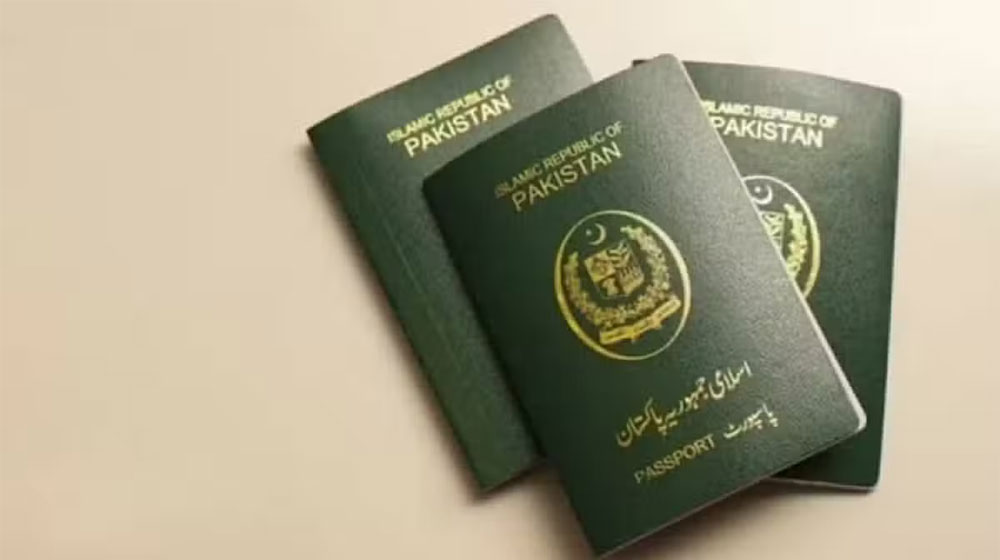
The Pakistan e-passport system will gradually replace traditional passports with home delivery and cashless payments launching from July 1
Pakistan is overhauling its passport system from the ground up. The government has decided to gradually shift passport issuance to a complete e-passport framework as part of broader reforms to modernize passport and immigration services. Federal Interior Minister Mohsin Naqvi chaired a high-level meeting to review these key measures.
The meeting reached a principal decision to move the entire passport issuance system to e-passports in phases. Officials said this reform should improve transparency and reduce fraud and forgery risks significantly. However, no deadline has emerged yet for phasing out existing passports entirely.
Director General of Passports and Immigration Muhammad Ali Randhawa briefed the interior minister on ongoing reforms and proposed measures during the session. Furthermore, the meeting decided that citizens opting for premium services will pay fees based on the actual cost of the relevant passport facility.
The Pakistan e-passport system rollout comes with several practical upgrades for everyday applicants. Officials confirmed that preparatory work has already finished for introducing home delivery of passports. This service will cover Pakistanis living both inside the country and abroad. Therefore, citizens will soon receive their passports directly at their doorstep rather than visiting an office to collect them.
Additionally, Naqvi announced that a cashless payment system will launch at passport offices nationwide starting July 1. This step aims to make payments safer and more convenient for applicants across the country.
The meeting also decided to shift online passport applications to the Pak-ID platform. Moreover, officials will finalize a dedicated policy for business passports in consultation with the Federal Board of Revenue.
So what exactly makes an e-passport different? According to the Ministry of Interior, an e-passport is a highly secure travel document featuring an electronic chip embedded in one of its pages. The chip stores biometric information about the passport holder and helps verify identity accurately. It contains the holder’s biometric data, personal information from the passport data page, a unique identification number, and a digital signature.
Furthermore, an e-passport includes a contactless NFC chip that allows electronic reading at border checkpoints. Pakistan’s newly launched e-passports comply with International Civil Aviation Organization standards set by the United Nations, ensuring global acceptance and interoperability.
For Pakistani travelers, these changes promise a more secure, efficient, and convenient passport experience. Still, the phased rollout means existing passport holders will not need to rush toward replacement immediately. The transition will unfold gradually as infrastructure and processing capacity scale up across the country.