
The growing Pakistan diplomatic role in recent global tensions has sparked debate over India’s foreign policy under Narendra Modi. As the US-Iran conflict escalated, Pakistan stepped forward as a potential mediator, engaging with both Washington and Tehran. This shift highlights how influence in international diplomacy depends on timely action rather than long-standing narratives.
While India has projected itself as a major power in West Asia, recent developments suggest a gap between ambition and execution. Pakistan’s active engagement during a critical moment has placed it at the centre of diplomatic efforts, raising questions about India’s absence from meaningful negotiations.
Pakistan Diplomatic Role Highlights Gaps in India’s Strategy
The Pakistan diplomatic role stands out due to its balanced relationships across the region. Islamabad maintains ties with Iran, Saudi Arabia, and the United States, allowing it to act as a bridge during conflicts. Its geographic proximity to Iran and historical connections further strengthen its position as a credible intermediary.
In contrast, India’s approach has relied heavily on strategic alliances and public diplomacy. However, this strategy has not translated into influence during the current crisis. India’s limited response to key regional developments has affected its perception as a neutral player. Observers note that silence on sensitive issues has created the impression of alignment rather than balance.
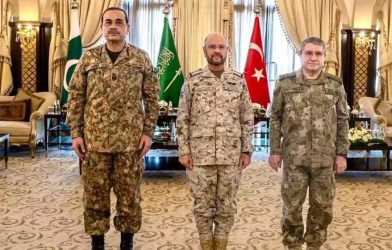
Pakistan, on the other hand, has adopted a more measured approach. Its leadership has engaged in direct and indirect communication with all parties involved. Reports indicate that countries like Türkiye and Egypt are also coordinating with Pakistan to facilitate dialogue. This collective effort reflects trust in Islamabad’s ability to contribute to de-escalation.
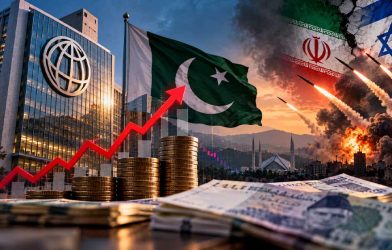
Economic factors also drive Pakistan’s involvement. Rising tensions in the Gulf directly affect its energy supply and trade routes. This creates a strong incentive for Pakistan to push for stability. Its actions reflect practical diplomacy focused on national interest rather than symbolic positioning.
India now faces a critical moment in its foreign policy. To strengthen its role, it may need to rebuild trust with regional players and adopt a more balanced approach. Strong alliances alone cannot guarantee influence during crises. Credibility and consistent engagement remain essential.
Pakistan’s emergence in this scenario does not redefine global power dynamics overnight. However, it sends a clear signal about how diplomacy works in real situations. Countries that engage actively and maintain balanced relationships often gain relevance when it matters most.