

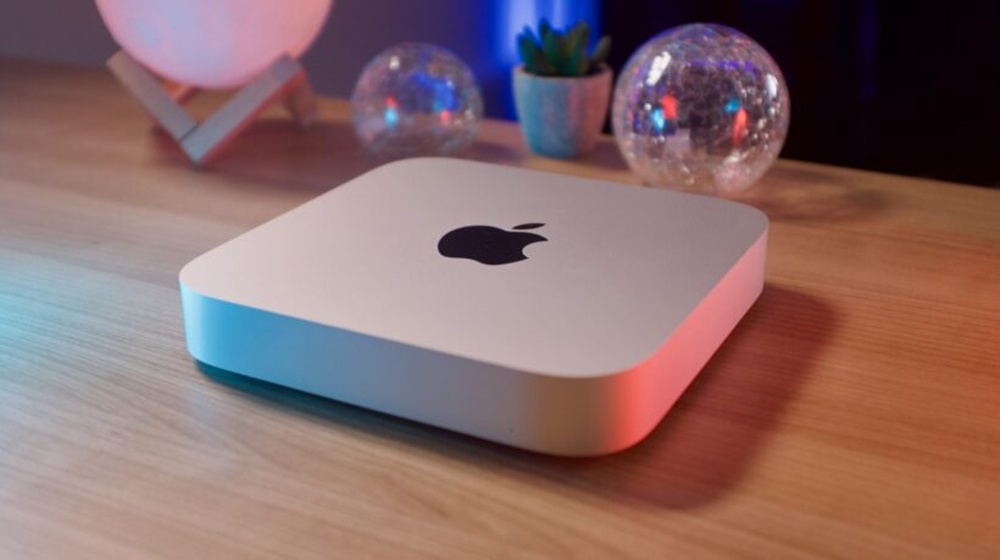
Apple says the Mac Mini AI shortage could last for months as demand for local artificial intelligence tools rises faster than expected. The sudden pressure comes after developers increasingly turned to Apple’s affordable desktop for AI inference. As a result, the company now faces supply strain at a time when interest in agent-based computing is accelerating.
The demand surge is closely linked to OpenClaw, an open-source framework created by developer Peter Steinberger. The project has collected more than 323,000 stars on GitHub. It allows individuals and small teams to run persistent AI agents locally. Those agents can connect directly to files, apps, and messaging services without sending data through the cloud.
Apple Chief Executive Officer Tim Cook said customer recognition of the Mac mini and Mac Studio as AI platforms is happening faster than the company expected. He explained that Apple’s supply chain was built around normal consumer buying patterns. However, it was not designed for developers purchasing multiple machines at once as computing infrastructure.
The technical appeal of the Mac mini centers on memory architecture. Traditional graphics cards rely on dedicated video memory. Even the Nvidia RTX 5090 offers up to 32GB of video memory. Larger language models often require more memory than that. Consequently, developers may need multiple cards, which can sharply reduce efficiency and increase costs.
By contrast, Apple Silicon combines the CPU, GPU, and Neural Engine in one shared memory system. That design removes the usual bottleneck between video memory and system memory. Therefore, a Mac mini with 64GB of unified memory can run a 70-billion-parameter model on a single machine. Meanwhile, the M4 Ultra version in the Mac Studio can support up to 192GB of unified memory.
The entry-level Mac mini, priced at $599, is currently unavailable in the United States. Moreover, some resellers quickly sold base models online for nearly double the original price. Industry researchers at IDC say global memory chip shortages are also adding pressure. In the end, the Mac Mini AI shortage leaves buyers facing long waits or higher prices until future hardware updates bring more supply.