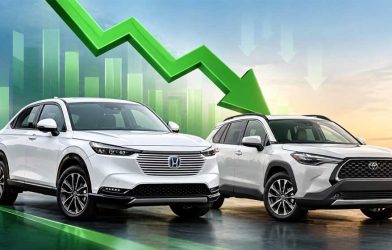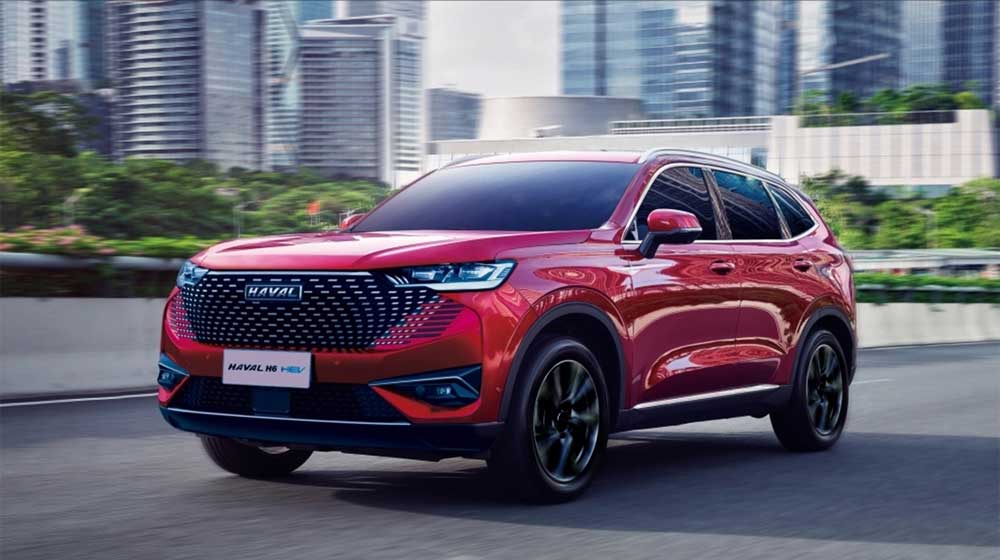
Pakistan’s automotive transition just hit a major roadblock. Hybrid vehicle sales have essentially stopped following the expiry of the previous auto policy. Therefore, dealers report minimal activity across all segments. Moreover, the sudden sales tax increase from 8.5 percent to 25 percent shocked the market. Additionally, automakers remain uncertain about future policy direction.
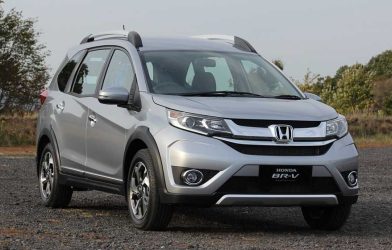
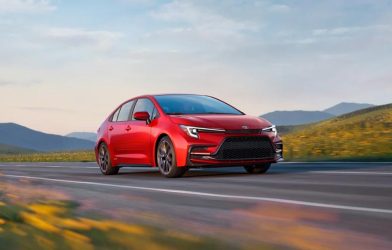
The Auto Industry Development and Export Policy expired June 30 as planned. However, the government has not notified a replacement policy covering 2026 to 2031. Consequently, hybrid electric vehicles and plug-in hybrid electric vehicles now face dramatically higher tax rates. This uncertainty froze hybrid vehicle sales completely across the nation.
Industry sources reveal the policy delay’s underlying cause. Local automakers objected to an early draft that prioritized electric vehicle adoption. Several assemblers pushed back against acceleration timelines. Consequently, the government delayed finalizing the new policy substantially. Meanwhile, automakers suspended invoicing and deliveries of hybrid models pending clarity. Therefore, buyers cannot complete purchases even if they wish to proceed.
The government is reportedly considering cabinet proposals. One proposal would reduce sales tax on hybrid vehicles to 18 percent. However, this remains unofficial pending cabinet approval. Until formal notification occurs, the current 25 percent sales tax applies to all hybrid purchases. Therefore, consumer hesitation is entirely rational given pricing uncertainty.
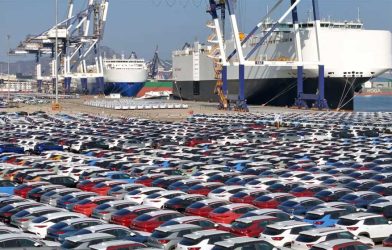
Industry representatives warned about mounting consequences. Vehicles sit unsold at dealer lots accumulating. Customers remain in limbo unable to complete transactions. Furthermore, the government loses substantial tax revenue during this uncertainty. Additionally, automakers face cash flow pressures from suspended operations. Therefore, all stakeholders suffer from policy delays.
The timing proves particularly unfortunate for climate goals. Hybrid vehicle sales represent crucial steps toward emission reductions. Higher sales taxes discourage adoption when climate commitment matters most. Still, policy debates continue while consumers and businesses wait.
The new auto policy must balance multiple objectives carefully. Environmental goals demand affordable hybrid options. Local industry needs protection and investment incentives. Government revenue requirements must be met. Therefore, the final hybrid vehicle sales policy framework requires thoughtful compromise. Finally, quick resolution would restore market momentum and consumer confidence nationwide.