

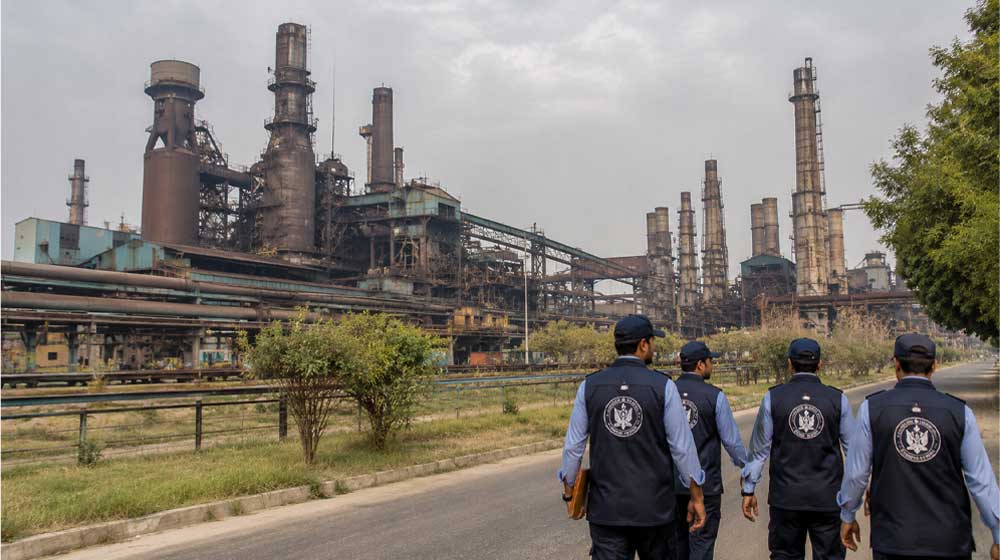
Pakistan Steel Mills corruption probe revived as FIA summons 12 officials over Rs. 284 billion in alleged losses and potential money laundering violations
A long-dormant corruption case is back in play. The Federal Investigation Agency revived its probe into alleged theft, corruption, and mismanagement at Pakistan Steel Mills, where reported losses stand at an estimated Rs. 284 billion. The Pakistan Steel Mills corruption investigation is moving forward under the FIA’s Corporate Crime Circle through the Anti-Money Laundering Act. Moreover, the agency has already issued summons to officials who previously conducted inquiries into the state-owned steel producer.
The FIA directed the focal person of Pakistan Steel Mills to ensure the appearance of concerned officers before investigators. Twelve officials have been called in connection with six major incidents previously investigated at the organisation. Furthermore, the agency is now reviewing those earlier inquiries as part of a broader effort to determine responsibility for the alleged financial losses. Therefore, this is not a fresh case — it is a deeper dig into investigations that existed before but may not have gone far enough.
Pakistan Steel Mills has been at the centre of financial controversy for years. The organisation ceased production long ago and has drained public funds through losses, mismanagement, and allegations of systematic corruption. Furthermore, the scale of the alleged losses — Rs. 284 billion — makes this one of the largest corruption-related probes involving a state-owned enterprise in Pakistan’s recent history.
The Anti-Money Laundering Act framework gives the FIA broader investigative tools to trace financial flows and identify potential criminal liability. Therefore, the revival of this case carries more legal teeth than earlier inquiries that produced limited outcomes. Still, Pakistan has a long history of high-profile corruption investigations that generate headlines but deliver few convictions.
Finally, whether the FIA’s renewed push translates into accountability — or fades like previous attempts — will depend entirely on how far investigators are willing to go and how much institutional support they receive along the way.