
The Sindh budget 2026-27 Karachi allocation tops Rs. 100 billion covering transport, sewerage, water supply, and major healthcare projects
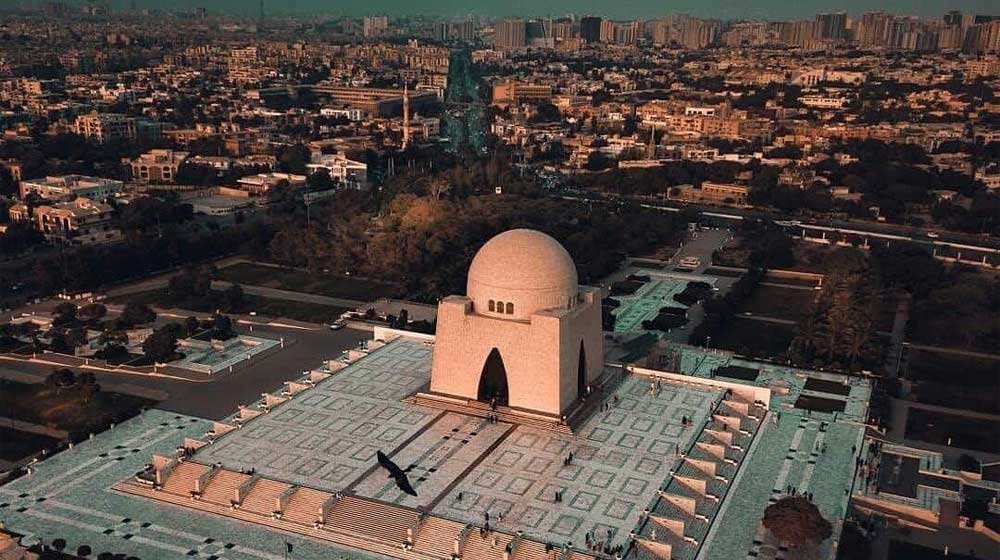
Karachi is set for a massive infrastructure overhaul. The Sindh government has allocated more than Rs. 100 billion for the city in the 2026-27 budget. Specifically, the funding spans transport, water supply, sewerage, drainage, sanitation, healthcare, education, and broader urban infrastructure.
Chief Minister Syed Murad Ali Shah presented the provincial budget in the Sindh Assembly. He said the development push aims to ease traffic congestion, improve civic services, and accelerate Karachi’s broader transformation. Furthermore, he confirmed the city currently has 816 ongoing development schemes worth Rs. 644.3 billion in total.
For the next fiscal year, Karachi has received more than Rs. 100.19 billion. This includes 167 major projects worth over Rs. 500 million each. Additionally, 110 mega projects costing more than Rs. 1 billion each form part of this allocation.
Sewerage and Urban Schemes
The Greater Karachi Sewerage Plan, known as S-III, has received major funding. More than Rs. 32 billion is already being spent on the project. Moreover, an additional Rs. 1 billion has been allocated to maintain momentum. Meanwhile, the Lyari Transformation Package receives Rs. 4.37 billion. Furthermore, Rs. 108.1 billion has been earmarked across 822 development schemes citywide.
Traffic and Road Infrastructure
The Sindh budget 2026-27 Karachi plan includes several major road projects. A flyover from Karachi Airport Road to Star Gate will cost Rs. 1.2 billion. Additionally, a right-turn underpass from Malir Halt to Sharae Faisal will cost Rs. 1.5 billion. Furthermore, funds have been set aside for the Sir Shah Suleman Road crossing flyover over Gujjar Nala and improvements at key intersections along Shah Faisal Road.
Drainage and Flood Mitigation
Flood mitigation receives serious attention this year. The third phase of storm-water drain construction and rehabilitation gets Rs. 1 billion. Moreover, Rs. 1.1 billion will fund the restoration of Gujjar Nala and its service roads. Additionally, a separate Rs. 280 million covers a storm-water drainage project from the M-9 Motorway to Thado Nala.
Sanitation and Waste Management
Six modern garbage transfer stations will receive Rs. 1.66 billion. The Solid Waste Emergency and Efficiency Programme gets more than Rs. 9 billion. Furthermore, Rs. 1.18 billion will fund upgrades to the Jam Chakro and Gond Pass landfill sites.
Water Supply
Rs. 575.2 million will expand the distribution network linked to the K-IV project. Furthermore, additional funds will upgrade pumping stations in Karachi’s East and Central districts. Additionally, a new water supply line will run along the Lyari Expressway.
Public Transport Expansion
Karachi’s public transport network gets a significant boost too. The chief minister confirmed that 25 double-decker buses will begin operating within three months. These buses will serve an estimated 30,000 to 35,000 passengers daily. Moreover, the Pink Bus Service will expand, and 100 additional electric buses will join the fleet.
The budget also funds automated fare collection across the Green Line, Orange Line, and Peoples Bus Service networks. The Red Line BRT project receives Rs. 13.2 billion. Meanwhile, the Yellow Line corridor gets more than Rs. 3.5 billion.
Healthcare and Education
The social sector also features prominently. The Sindh Infectious Diseases Hospital in Karachi receives Rs. 1 billion. Additionally, a pediatric cardiac unit at the National Institute of Cardiovascular Diseases gets Rs. 1.4 billion. Furthermore, development funds have gone toward a new medical college, the Karachi Education Complex, Bilawal Bhutto Engineering College Lyari, and Shaheed Zulfikar Ali Bhutto Law University.
Murad Ali Shah emphasized that the government remains focused on modern infrastructure, stronger public transport, and improved water and sewerage services. Moreover, he noted that the Rs. 60.7 billion Shahrah-e-Bhutto Expressway has already reduced travel times to nearly 25 minutes. The expressway currently serves around 25,000 vehicles daily, offering an early glimpse of what sustained investment can achieve.
Overall, the Sindh budget 2026-27 Karachi package represents one of the most comprehensive development pushes the city has seen in recent years. Therefore, the coming fiscal year will be a critical test of whether ambitious budget allocations translate into tangible improvements for Karachi’s residents.