DDR5 RAM prices AMD executive warns could remain high until 2028 as AI demand consumes global memory supply and pushes PC builders back to DDR4
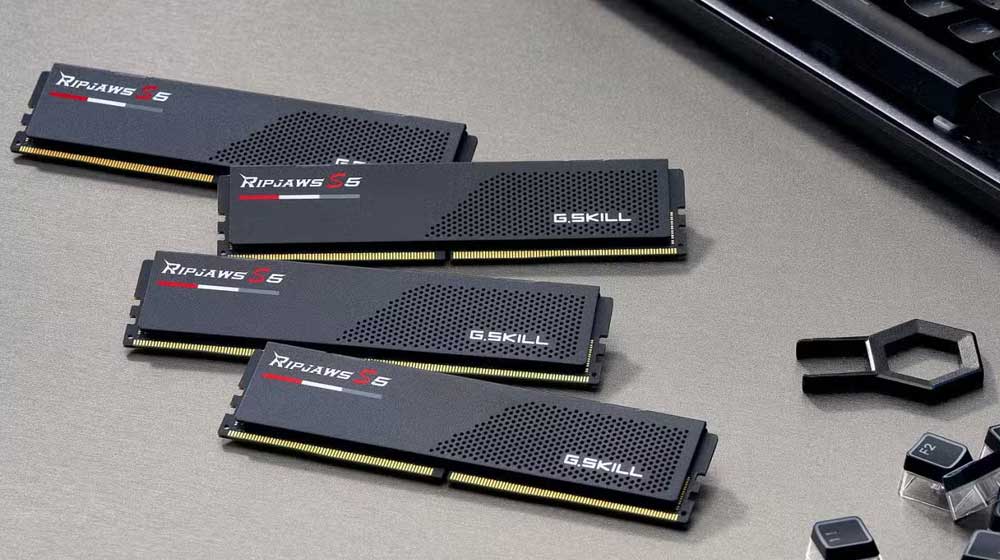
Anyone planning a PC upgrade in the next two years should brace for high memory costs. AMD Vice President David McAfee warned that DDR5 memory prices may take around two years to return to normal levels. The DDR5 RAM prices AMD warning suggests buyers may not see significant relief until 2028. Moreover, the culprit is clear — AI data centres are consuming an enormous share of global memory chip supply, leaving less for the consumer PC market.
AI Demand
McAfee reportedly told 4Gamers that the AI boom is a primary driver of the DDR5 price surge. Major memory makers are expanding production. However, that expansion takes time to reach the market. Furthermore, manufacturers are shifting more output toward DDR5 and AI-focused memory types. That shift reduces priority for standard DDR4 modules. Therefore, pressure builds on both ends of the memory market simultaneously.
DDR4 Demand Returns
Higher DDR5 prices are pushing many users back toward DDR4 platforms. DDR4 memory costs more than before. Still, it remains significantly cheaper than a full DDR5 platform upgrade. Furthermore, DDR4 modules continue to sell strongly as builders look to avoid expensive transitions. AMD also brought back the Ryzen 7 5800X3D alongside the Ryzen 7 7700X3D to give users upgrade options across both AM4 and AM5 platforms. Therefore, buyers have a practical path to performance improvements without committing to DDR5 costs.
PC Market Impact
High memory prices are already rippling across the wider PC market. Lenovo raised prices twice this year across its PC lineup. Furthermore, industry groups warned that memory chip shortages could push up costs for consumer electronics, telecom equipment, and vehicles. DDR5 kits are selling at four to five times higher prices in some markets. DDR4 prices also jumped by two to three times compared to previous levels. Finally, with no meaningful relief expected before 2028, PC builders face an extended period of elevated component costs that shows no sign of easing soon.