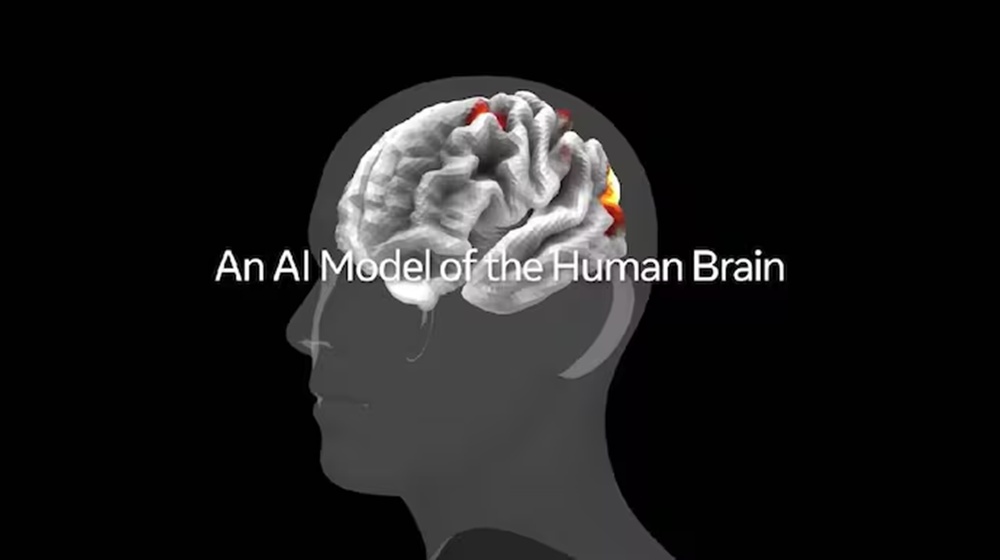
Meta TRIBEv2 predicts viral content using human brain data, marking a major leap in AI-driven media analysis. The model can simulate how viewers will respond to content before anyone watches it. This breakthrough could reshape how videos, audio, and text are created and shared. Moreover, it highlights the growing role of neuroscience in technology.
The system was developed by Meta’s Fundamental AI Research team and released in March 2026. It uses fMRI brain scans from more than 700 volunteers. These scans map neural activity across about 70,000 points in the brain. As a result, the model builds a detailed digital representation of how people react to content.
TRIBEv2 analyzes video, audio, and text inputs and compares them with real brain responses. It identifies which areas of the brain activate during different types of media. Consequently, it can predict attention, emotional engagement, and reward responses. This allows creators to estimate whether content will capture audience interest.
One of the model’s key features is its ability to make predictions without scanning new users. This “zero-shot” capability means it can apply learned patterns broadly across audiences. Therefore, companies can avoid running new studies for each piece of content. This makes the tool highly scalable and efficient.
In practice, TRIBEv2 gives content creators powerful insights into audience behavior. Editors can adjust pacing, choose better visuals, and refine storytelling. These changes help maintain viewer attention and increase engagement. As a result, the model enables a new level of data-driven content optimization.
Meta TRIBEv2 predicts viral content using human brain data, but it also raises broader questions. Experts say such tools could transform industries beyond social media. However, concerns about ethics and user privacy may grow as the technology evolves. Ultimately, this innovation signals a new era of AI-powered content creation.