
Scientists have found an early warning signal that could transform colon cancer detection and improve survival chances. The study shows that early detection raises survival to 91 percent, while late-stage cases still face only 13 to 16 percent survival. This discovery offers new hope for patients diagnosed at advanced stages. Moreover, researchers say this signal could help doctors identify cancer sooner and act faster.
The breakthrough comes from research led by Dr. Flemming Damgaard at Odense University Hospital and the University of Southern Denmark. He and his team published their findings in a respected scientific journal. They focused on a long-standing mystery about bacteria linked to colorectal cancer. Although these bacteria also exist in healthy people, scientists could not explain their role until now.
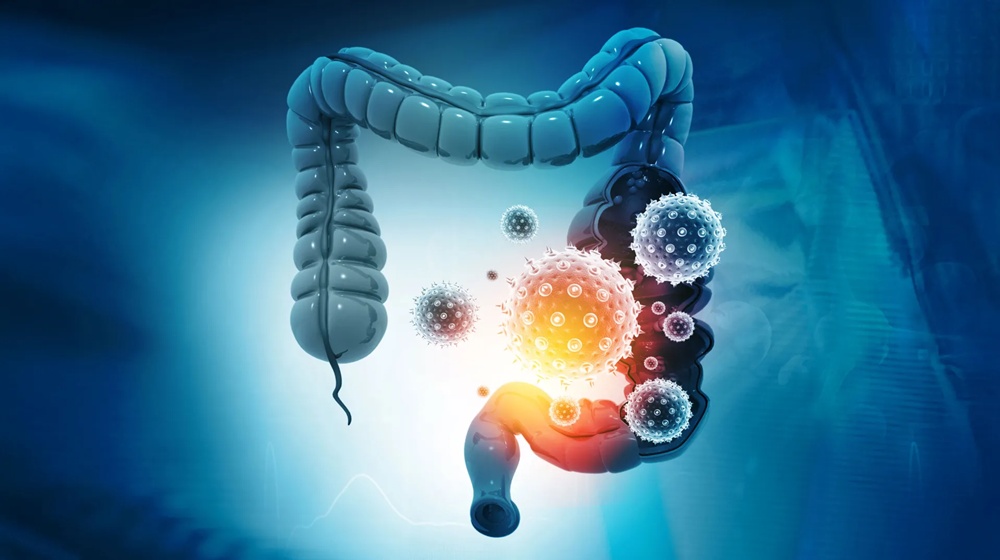
The team discovered a previously unknown virus that appears closely linked to these bacteria in cancer patients. According to the researchers, the interaction between the virus and the bacteria may hold the key. However, they still do not know whether the virus directly causes cancer or simply signals changes in the gut. Even so, this finding marks a major step forward in understanding the disease.
To strengthen their results, the scientists studied nearly 877 people from Europe, the United States, and Asia. This wide sample ensured the findings applied across different populations. The results showed clear consistency across regions. In fact, people with colorectal cancer were almost twice as likely to carry these viruses in their gut compared to healthy individuals.
Experts note that about 80 percent of colorectal cancer cases relate to environmental factors, including gut microorganisms. Therefore, researchers shifted their focus from bacteria alone to viruses within them. This approach helped them narrow down the search more effectively. As a result, they identified patterns that were previously difficult to detect.
Scientists say this early warning signal could identify up to 40 percent of cancer cases in its current form. In the short term, doctors may use this marker to detect people at higher risk. Meanwhile, researchers continue to study whether the virus plays a direct role in cancer development. Ultimately, this early warning signal could reshape colon cancer detection and offer patients a better chance at survival.