
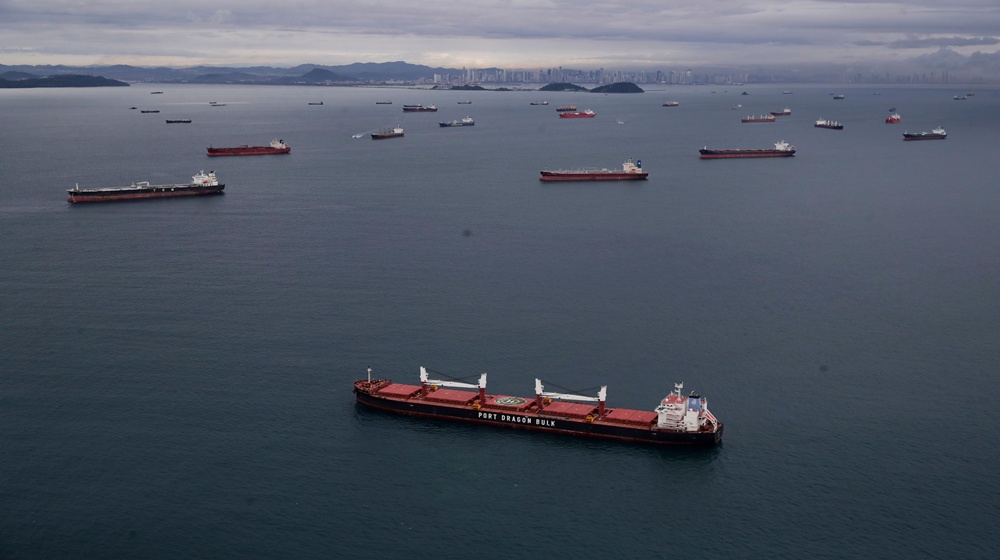
Panama Canal traffic surges as global energy routes shift due to ongoing conflict in the Middle East. A sharp rise in oil and gas tanker movement has pushed the canal close to maximum capacity. Moreover, this surge reflects how wartime disruptions are reshaping global energy flows and increasing reliance on alternative shipping routes.
Videos circulating online show long lines of vessels waiting to cross the canal after loading shipments from U.S. Gulf Coast ports. In addition, demand has grown strongly among liquefied natural gas and liquefied petroleum gas carriers heading toward Asian markets. As a result, the canal has become a critical pathway for energy transport.
Canal authorities reported that daily transits have increased to between 36 and 38 vessels, exceeding earlier forecasts. Furthermore, energy shipments now make up a large portion of this traffic. This rise highlights how shifting demand and supply chains are driving higher usage of the waterway.
The surge follows disruptions linked to tensions between Iran and the United States, including the effective closure of the Strait of Hormuz. Consequently, many shipments have rerouted through the Panama Canal as a safer alternative. Unlike past congestion caused by drought, current delays stem mainly from increased demand.
Meanwhile, the United States has expanded oil and gas exports, with a growing share directed toward Asia. Analysts estimate the canal now handles more than 95% of U.S. LPG exports to the region. Therefore, the waterway plays an increasingly central role in global energy trade.
However, rising demand has also led to higher costs and delays for shipping companies. Some carriers have paid over $4 million for priority transit, while others face waiting times exceeding three days. In conclusion, this Panama Canal traffic surge shows how global energy routes shift quickly during crises and reshape international trade patterns.