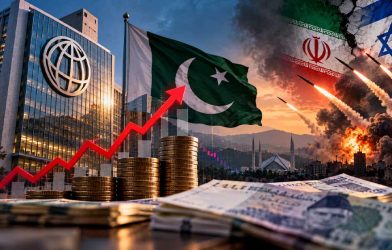

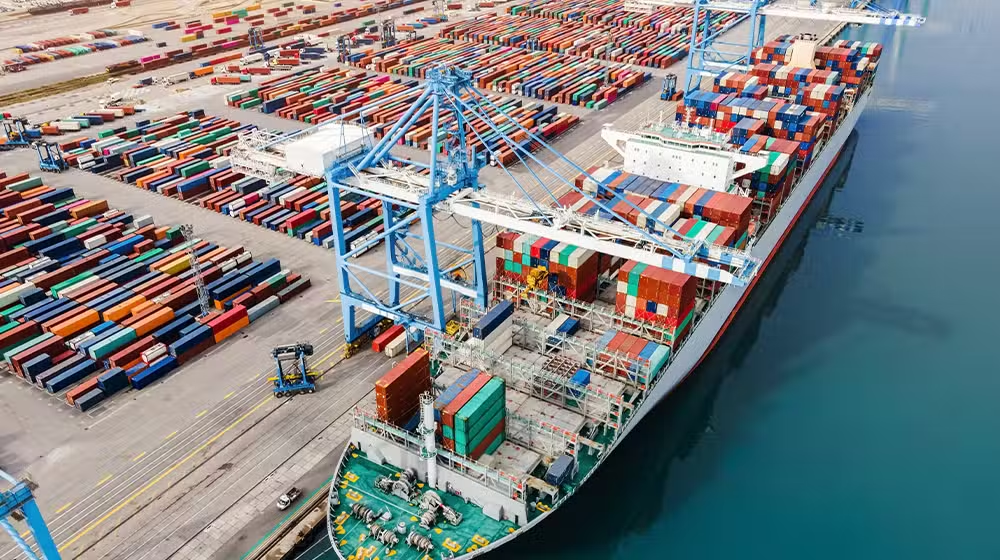
Pakistan is witnessing an extraordinary Karachi Port cargo surge, as global shipping disruptions in the Middle East shift trade routes toward the country. This sudden increase has transformed Pakistan’s ports into key transit hubs almost overnight, creating new opportunities for logistics and international trade. The rise is not gradual—it is rapid, measurable, and already reshaping regional trade dynamics.
The scale of this growth is remarkable. In just the last 24 days, Karachi Port handled 8,313 containers, slightly surpassing the total 8,300 containers processed throughout all of 2025. This sharp rise reflects a staggering 1,423 percent increase, making it one of the most significant surges in port activity in recent years. The Karachi Port cargo surge is not limited to a single terminal either. South Asia Pakistan Terminal managed over 5,000 containers, while Hutchison Port and Karachi Gateway Terminal also reported strong volumes during this period.
This surge stems largely from disruptions in Gulf shipping routes. As global logistics operators seek safer and more efficient alternatives, Pakistan’s ports have emerged as a reliable option. Strategic geographic positioning has played a key role, but policy improvements have also made a difference. Authorities have revised transshipment regulations, allowing cargo handling across both seaports and airports. This flexibility has attracted international operators looking for smoother trade operations.
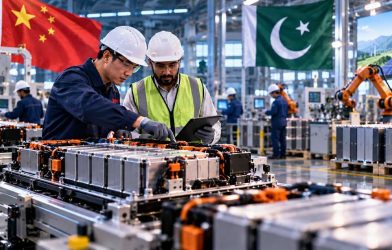
Infrastructure development further supports this momentum. Investments under the China-Pakistan Economic Corridor have strengthened port facilities, improved connectivity, and enhanced operational efficiency. These upgrades allow Pakistan to handle increased volumes without compromising speed or reliability.
If this trend continues, Pakistan could secure a stronger position in global trade networks. Sustained investment and consistent policy support may turn this short-term surge into long-term growth. The current situation presents a unique opportunity for the country to establish itself as a regional logistics powerhouse.