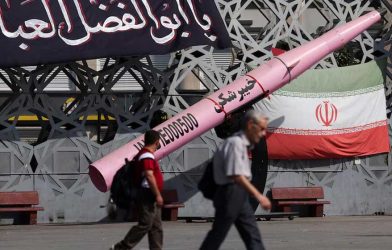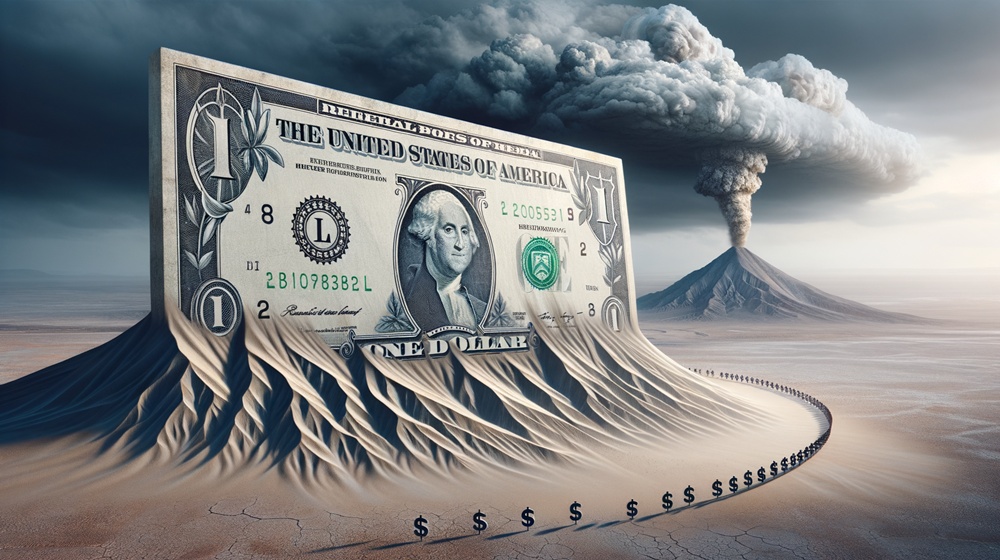
The US dollar gained strength on Wednesday as global financial markets reacted to the persistent uncertainty surrounding the conflict between Israel and Iran. While the US reportedly proposed a 15-point discussion plan, the continuation of reciprocal airstrikes suggests that a resolution remains distant.
President Donald Trump claimed that progress is being made in negotiations, but Tehran’s denial of direct talks has left investors on edge. This geopolitical tension has pushed the US dollar index up by 0.23 percent, reaching a level of 99.41 against six major currencies.
In Europe, the euro slipped to $1.1585, while the British pound fell to $1.3387 despite UK inflation holding steady at 3 percent. Market analysts suggest that the dollar’s strength indicates a more cautious outlook compared to the slight optimism seen in equities.
The Japanese yen also weakened against the greenback, even as Bank of Japan members discussed the potential need for future interest rate hikes. Meanwhile, the Australian dollar dropped following inflation data that was released just prior to the recent surge in Middle East tensions.
While stock markets showed some gains and oil prices dipped slightly to $100.54 per barrel, the foreign exchange market remains focused on a “hawkish” tilt. Expectations for US interest rate policy are shifting, with some traders now anticipating a possible hike by December.
Central banks worldwide, including the ECB and BOJ, are being closely watched as they navigate the economic fallout of the war. For now, the US dollar remains the preferred safe haven as the world monitors the volatile situation in the Middle East.