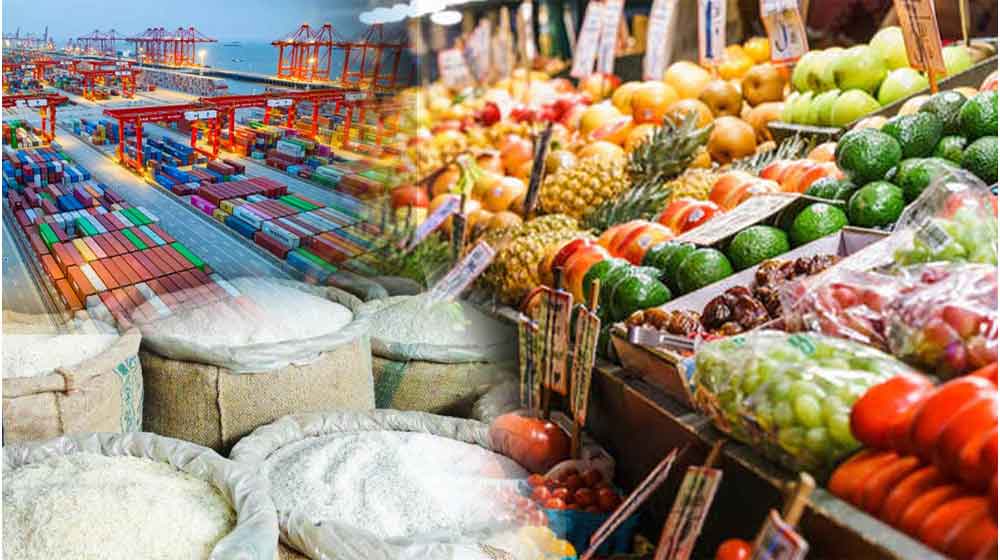
Prime Minister Shehbaz Sharif has directed the Pakistan National Shipping Corporation (PNSC) to implement emergency measures for the maritime export of food items to Gulf countries. The directive comes as the escalating conflict in the region—fueled by hostilities involving the U.S., Israel, and Iran—severely disrupts traditional supply chains and threatens the food security of neighboring Arab states.
During a high-level review meeting held on Sunday, the Prime Minister emphasized that while global logistics are under strain, Pakistan’s geographic proximity and agricultural surplus present a unique opportunity to support regional partners. He noted that the current geopolitical dynamics have significantly increased Pakistan’s export capacity, particularly for essential commodities that the Gulf market relies on.
The government has assured the public that this export drive will not come at the expense of local consumers. Officials briefed the meeting that Pakistan currently holds “abundant reserves” of essential food items, ranging from staple crops and dairy to meat and seafood. To maintain this balance, a newly formed committee will monitor domestic supply and demand on a daily basis, ensuring that national requirements are satisfied before any surplus is cleared for shipment.
Beyond logistical readiness, the Prime Minister stressed the importance of quality control, instructing that “high standards must be maintained” to solidify Pakistan’s reputation as a reliable trade partner. Ambassadors and trade officers stationed across the Gulf have been put on high alert to proactively identify market openings and facilitate trade agreements.
As traditional trade routes face uncertainty, the move to leverage the PNSC for dedicated maritime corridors marks a strategic shift to stabilize the country’s agricultural sector while filling a critical void in the Middle East’s food supply network.