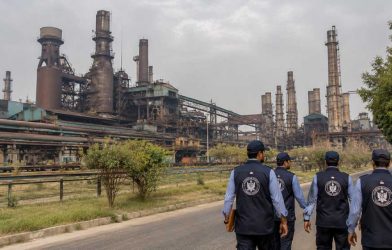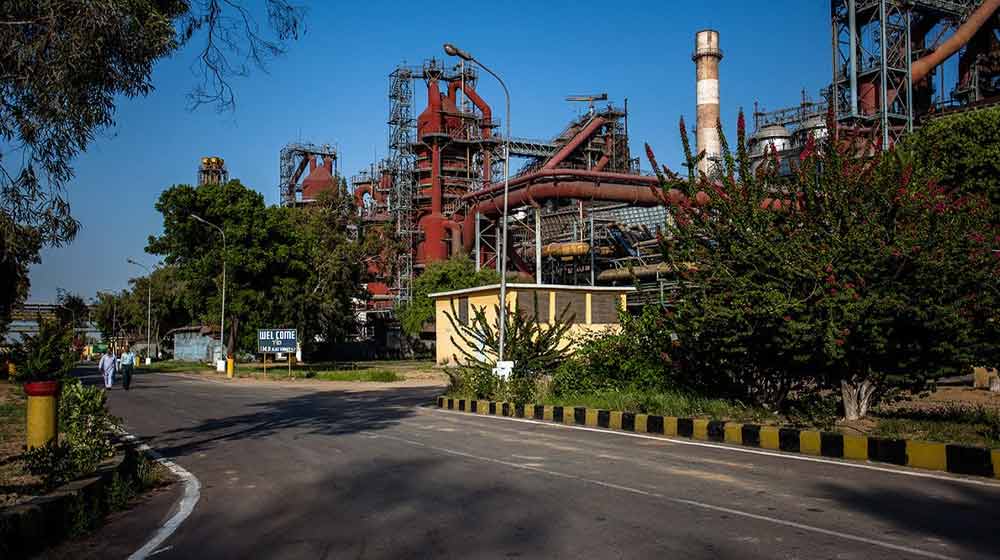
Pakistan Steel Mills has accumulated staggering Pakistan Steel Mills losses of Rs. 79.3 billion over the past three fiscal years, despite remaining closed since 2015. Notably, interest on old loans accounts for nearly three-quarters of the total losses. According to Ministry of Industries data, the mill recorded a loss of Rs. 24 billion in fiscal year 2025-26 alone.
The mill has remained non-operational since the government shut it down in June 2015. However, its financial burden has continued to grow year after year. From FY2023-24 to FY2025-26, interest expenses alone accounted for Rs. 57.4 billion, or roughly 72 percent, of total losses. Interest payments reached Rs. 17.7 billion in FY2025-26, including Rs. 11.8 billion on government loans and Rs. 5.2 billion on commercial bank loans.
The Central Monitoring Unit had previously recommended restructuring the mill’s debt. Still, this measure was never implemented. As of FY2024-25, the mill’s cash development loan stood at Rs. 108 billion, carrying an annual interest cost of about Rs. 11.5 billion. Additionally, the unit held more than Rs. 40 billion in bank loans, mainly from the government-owned National Bank of Pakistan.
The CMU said debt restructuring, including debt-to-equity swaps and negotiated write-downs, was needed to reduce liabilities limiting potential strategic investment. It also recommended moving liabilities into a separate holding company as part of a broader government-led debt cleanup.
Despite having zero operations, the mill continued incurring substantial other expenses. Employees received Rs. 3.9 billion in salaries over the past three fiscal years. Meanwhile, Rs. 9.1 billion was spent on fuel, electricity, water and gas, even with no production taking place.
Furthermore, the CMU noted that the mill faced technological obsolescence, mounting liabilities and a severe lack of production capacity. These factors left it unable to compete with imported steel in any meaningful way. Therefore, the unit recommended exploring joint ventures with global steel manufacturers to bring technical expertise, foreign investment and access to export markets.
Finally, the monitoring unit warned that without meaningful changes to subsidy management, debt management and operations, this mill and other struggling state-owned enterprises would continue creating financial pressure on the government. The situation, it added, demands urgent structural reform rather than continued inaction.