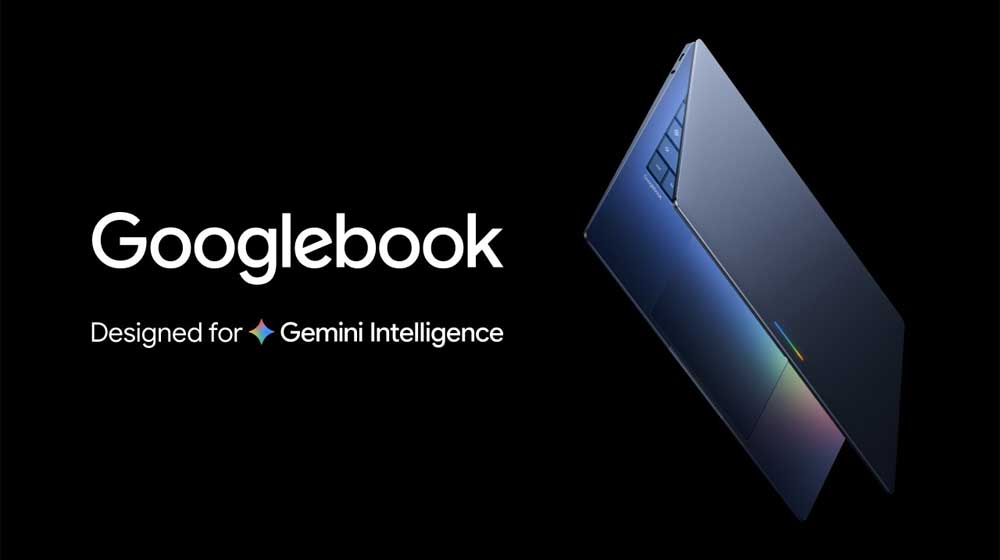
Google has unveiled a new line of Android-based laptops called Googlebooks, built specifically around deep Gemini AI integration. The devices represent Google’s attempt to move upmarket from budget-oriented Chromebooks, with the launch expected later this year. This marks Google’s most ambitious hardware move in years.
The announcement arrives roughly fifteen years after Google first introduced the Chromebook. The unveiling comes as Google shifts from an “operating system to an intelligence system,” seeing an opportunity to rethink laptops entirely. Therefore, this launch signals far more than a simple product refresh.
One standout feature is Magic Pointer, a cursor tool that brings Gemini directly into everyday laptop use. The feature activates when users wiggle the cursor, surfacing contextual suggestions based on whatever appears on screen. Additionally, users can drag and drop images together, letting Gemini combine them automatically.
Google is also emphasizing tighter integration between laptops and phones. Android apps will run directly on the new devices, and users can even launch phone apps from their laptop. Furthermore, a Quick Access feature lets users browse and insert phone files straight into the laptop’s file browser without any manual transfer.
Several major manufacturers are already on board. Partners including Acer, ASUS, Dell, HP and Lenovo will build the new Googlebooks lineup. Meanwhile, Google has not released official pricing, though industry watchers expect these devices to cost considerably more than typical Chromebooks.
Interestingly, this marks Google’s first foray into premium laptop hardware branding since the Pixelbook Go arrived in 2019. Still, Google’s approach this time centers entirely on AI rather than hardware specs alone. Instead, the company appears focused on making Gemini feel embedded throughout the entire user experience.

The Google Android laptop Gemini push also comes at a challenging moment for the broader PC industry. Global PC shipments are forecast to decline by 11.3 percent in 2026, making Google’s timing somewhat unusual. However, Google appears to be betting that AI-first design can carve out fresh demand in an otherwise shrinking market.
Finally, the Googlebooks are expected to arrive by fall 2026, giving manufacturers and developers several months to prepare. This launch could reshape how consumers think about laptops going forward, especially as AI becomes more central to everyday computing tasks.