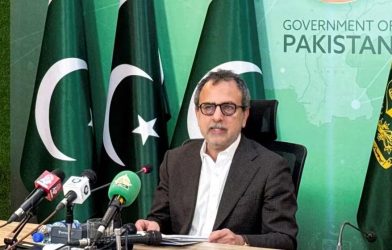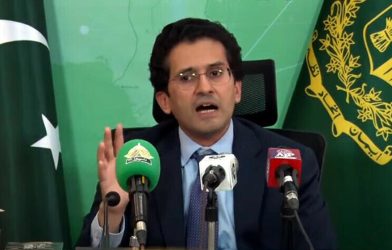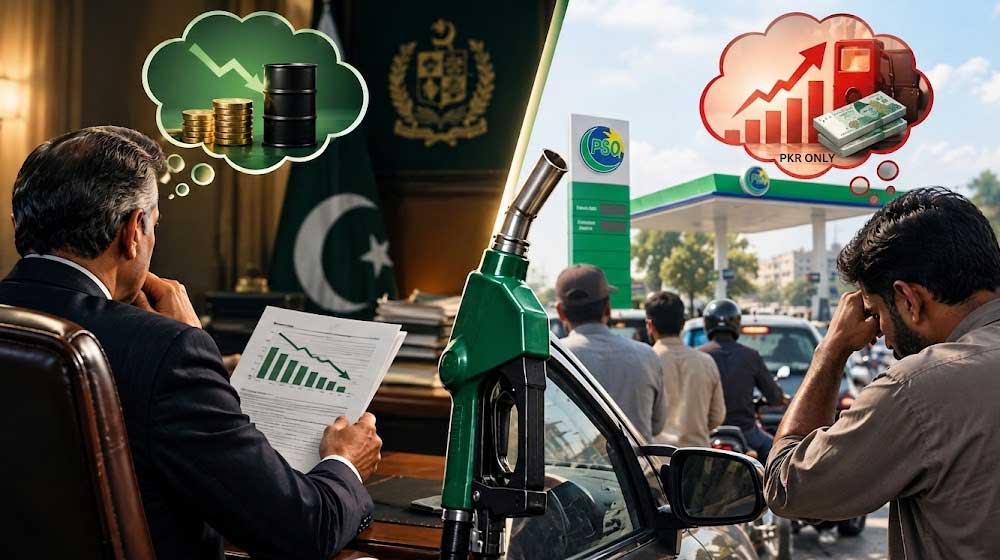
Pakistan’s petrol price debate has intensified after top officials defended warnings that fuel costs could climb sharply. Interior Minister Mohsin Naqvi recently backed Petroleum Minister Ali Pervaiz Malik’s claim that petrol could reach Rs. 1,000 per litre. He argued that the minister’s concern is valid, noting that petrol is already unavailable in several countries.
However, this explanation leaves a bigger question unanswered. How much of the global oil shock should ordinary consumers absorb when the government itself collects heavily from every litre sold? Questions around fuel quotas for cabinet members and free petrol allocations remain largely unaddressed. Meanwhile, public frustration over rising costs continues to grow.
The Petroleum Minister’s 80 percent figure was a bold claim, yet it is not entirely indefensible. The number closely tracks the movement in Dubai crude oil prices. Dubai crude stood near $69.49 per barrel on February 27, while OGRA’s latest pricing calculation uses a Platts average of $124.24. This reflects an increase of nearly 79 percent, a figure close to the minister’s estimate.
The IMF Levy
Additionally, the IMF has described Pakistan’s pricing mechanism and confirmed that the country committed to aligning domestic fuel prices with international markets. Therefore, the minister is not simply wrong, since the crude-price shock is genuine. Still, that argument alone cannot settle the debate.
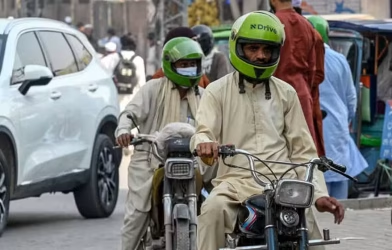
At current OGRA pricing, a significant portion of the pump price comes from government taxes rather than crude costs alone. This is where the government’s own fuel consumption becomes relevant to the conversation. When motorists pay nearly Rs. 400 per litre, taxpayer-funded fuel for official vehicles deserves scrutiny too.
| Component | Petrol | Diesel |
| Petroleum Levy | Rs. 80.00/litre | Rs. 80.00/litre |
| Climate Support Levy | Rs. 5.00/litre | Rs. 5.00/litre |
| Customs Duty | Rs. 19.59/litre | Rs. 15.68/litre |
| Total Taxes and Duties | Rs. 104.59/litre | Rs. 100.68/litre |
| Price Before Taxes and Duties | Rs. 284.55/litre | Rs. 323.36/litre |
| Current Market Price | Rs. 389.14/litre | Rs. 424.04/litre |
The government has already reduced fuel allocations for official vehicles. Instead, the harder question is whether non-essential government fuel should keep receiving different treatment from everyone else.
There is also a common misconception that the so-called IMF levy is actually an IMF tax. It is not. The petroleum development levy is instead a Pakistani government revenue measure. The FY2026-27 budget targets Rs. 1.677 trillion from petroleum levy collections.
The IMF angle matters too, but for different reasons. It has repeatedly said fuel subsidies are fiscally unsustainable, and that any response to high prices should be targeted, temporary and budget-neutral.
Furthermore, this leaves Pakistan facing a harder question than simply judging who is right in the petrol price debate. If the public is expected to absorb global oil shocks, should government fuel privileges face the same standard?
Both sides of this equation need to reflect the same underlying reality. Finally, when the next supply shock hits, part of the fiscal space created by petroleum levies could help cushion consumers. Treating the levy purely as a revenue source, while households and businesses absorb every price shock, remains difficult to justify.