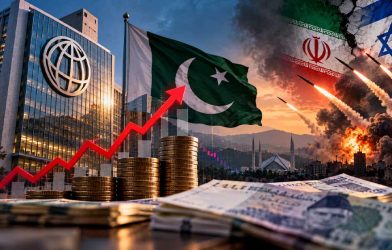


The Pakistan Gulf trade deficit narrowed significantly in July, according to fresh central bank data. Pakistan’s trade gap with six Gulf countries fell by 46 percent compared to the same month last year. The shift came primarily from a sharp drop in imports rather than a dramatic export surge.
Trade figures with Saudi Arabia, the UAE, Kuwait, Bahrain, Qatar and Oman fell to $750.5 million in July. This marks a substantial decline from around $1.4 billion recorded during the same period last year. Meanwhile, imports from these six Gulf markets dropped 38.1 percent to $1.04 billion. Exports to the region, however, increased 4.7 percent to $290.3 million.
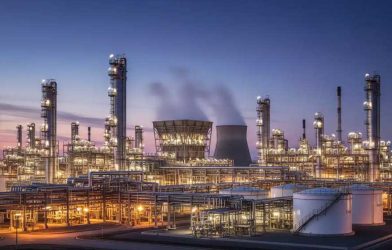
Pakistan relies heavily on Gulf nations for crude oil, petroleum products and LNG. Therefore, any disruption in the region, particularly around the Strait of Hormuz, directly affects the country’s import bill. Notably, Pakistan did not import any high-speed diesel in July. Additionally, domestic refineries increased their output during the same period, easing some dependency on external suppliers.
Qatar experienced one of the sharpest declines in bilateral trade. Imports from Qatar fell 78 percent year-on-year to just $61.5 million in July. Exports to Qatar also declined, dropping 16 percent to $7.42 million. Instead of following this downward pattern, Oman told a different story. Imports from Oman actually increased 58 percent to $161 million, while exports to Oman fell 11.3 percent to $20.5 million.
Overall, Pakistan imported $1.28 billion worth of petroleum products in July, including crude oil, LNG and LPG. This figure highlights just how central Gulf energy supplies remain to Pakistan’s broader trade equation. Still, the narrowing gap suggests changing consumption patterns and improved domestic refining capacity. Finally, analysts will likely watch upcoming months closely to see whether this trend continues or reverses as regional dynamics shift.