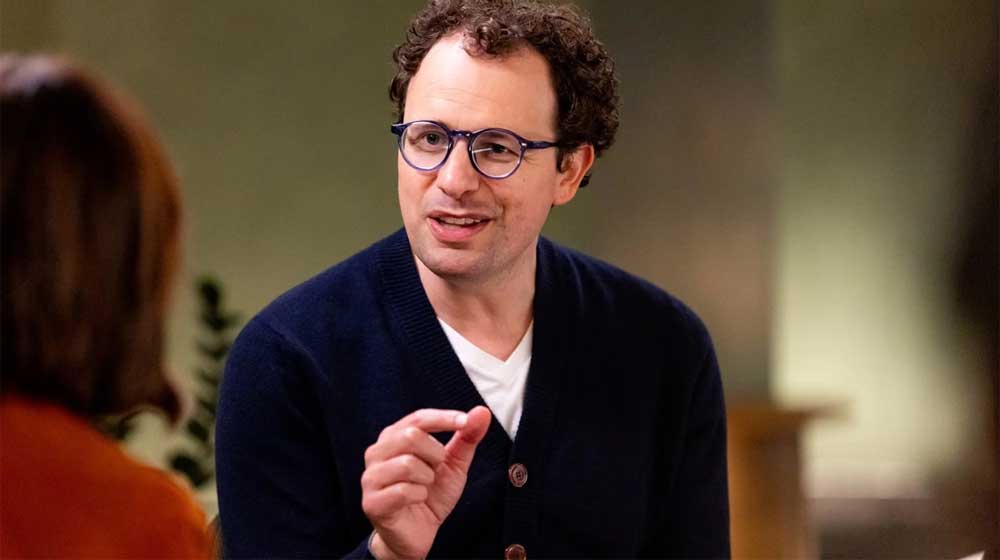
A major AI industry leader just made a bold medical prediction. Anthropic CEO Dario Amodei believes artificial intelligence could cure most human diseases soon. Therefore, the Anthropic CEO AI diseases timeline suggests breakthroughs within five to ten years specifically. This represents dramatic acceleration compared to traditional biological research timelines. Amodei shared this prediction recently arguing AI capabilities continue advancing rapidly. Increasingly capable AI systems could significantly speed up biological progress substantially.
However, important caveats accompany this ambitious prediction specifically. Amodei’s timeline represents forecasting rather than established medical certainty. Converting AI-generated discoveries into proven treatments requires extensive additional steps. Clinical trials, regulatory approval and rigorous testing remain necessary regardless of AI assistance. Therefore, the Anthropic CEO AI diseases prediction acknowledges these substantial implementation challenges.
AI Could Speed Up Medical Research
Amodei’s argument rests on AI’s demonstrated progress within medical fields specifically. AI-assisted surgery has shown technology’s potential supporting medical procedures effectively. Additionally, AI reportedly outperformed doctors in early-diagnosis tasks earlier this year. These developments provide concrete evidence supporting accelerated medical AI adoption.
Midjourney recently announced ambitious plans developing futuristic AI scanning technology. Meanwhile, the broader AI industry explores advanced biological research tools extensively. Medical imaging technology also receives significant AI-focused development attention. These parallel developments increase expectations regarding AI’s medical research potential. Therefore, researchers may identify treatments considerably faster than traditional methodologies allow.
Amodei emphasized that AI companies must demonstrate real-world results specifically. Building genuine public trust requires concrete evidence rather than theoretical predictions alone. Therefore, practical demonstrations will prove essential validating these ambitious claims.
Not Everyone Agrees
This prediction generated notably mixed reactions across social media platforms. Some users welcomed possibilities regarding AI-discovered treatments enthusiastically. They noted that AI might identify treatments human researchers struggled finding previously. However, critics highlighted important distinctions between treatment discovery and proven safety.
Other observers expressed skepticism regarding this optimistic timeline specifically. They noted that AI hasn’t yet produced cures for major diseases currently. Meanwhile, some users expressed genuine optimism about medicine’s potential transformation. If Amodei’s timeline proves accurate, healthcare could change dramatically within this decade.
Practical challenges complicate this optimistic vision considerably. Legal and regulatory requirements could slow AI-assisted treatment development substantially. Approval processes remain lengthy regardless of underlying AI-driven discoveries. Additionally, Anthropic’s expanding biological research raises important financial questions. Pursuing such ambitious research requires substantial resource commitments long-term.
For now, the Anthropic CEO AI diseases prediction remains speculative forecasting rather than guaranteed outcome. Finally, whether most human diseases receive cures within this timeframe remains uncertain, though Amodei’s optimism reflects broader confidence in AI’s transformative medical potential.