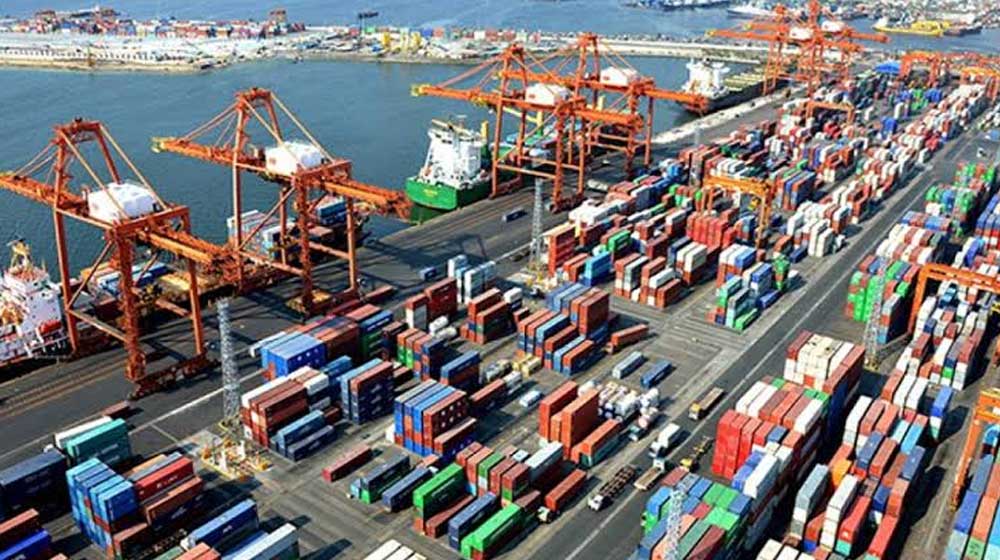
Pakistan is transforming its textile capacity substantially. Federal Minister Muhammad Junaid Anwar Chaudhry announced plans for the Port Qasim Garments City establishing a transformative industrial hub. Therefore, the Port Qasim Garments City represents a major investment opportunity. The 400-acre project will operate as a public-private partnership. Port Qasim Authority will provide necessary infrastructure and utilities throughout. Artistic Milliners, a major Pakistani textile manufacturer, plans to invest over $18 million in a manufacturing facility. Moreover, the company will incorporate vertical integration and green technologies.
The first phase encompasses 250 acres of the total project area. Thirty-five percent of this space will accommodate internal roads, utilities and green areas. Currently, 32 industrial plots measuring five acres each are planned. However, plot sizes could reduce to two or three acres accommodating more investors. Therefore, the design remains flexible adapting to market demand. This flexibility encourages diverse manufacturer participation throughout the facility.
Utility infrastructure reaches impressive scales supporting industrial operations. Each manufacturing unit accesses up to 400,000 gallons of water daily. Additionally, two megawatts of on-grid electricity powers each unit. Furthermore, units receive 23,100 pounds of industrial gas daily at 8 PSI. This gas supply supports steam production reaching 10 tonnes capacity. Meanwhile, the overall Port Qasim Garments City will provide 13 million gallons of water daily. Sixty-four megawatts of electricity and 750,000 pounds of industrial gas support the entire complex. Therefore, infrastructure capacity supports massive industrial expansion.
Job creation projections prove remarkable. The first phase will generate 138,125 employment opportunities. These jobs span manufacturing, logistics, support services and management. Additionally, indirect employment multiplies through supply chain development. The export potential reaches equally impressive levels. Annual exports could reach $2.2 billion from first-phase operations. Eventually, the government targets increasing garment export value to approximately $8 per piece. This price point elevation improves Pakistan’s competitiveness considerably.
Operational efficiency receives emphasis throughout the facility design. A one-window system streamlines export processing substantially. Specialized customs desks expedite clearance procedures. Dedicated transport corridors facilitate goods movement efficiently. Therefore, Port Qasim Garments City exporters face minimal bureaucratic obstacles. This streamlined approach attracts international manufacturers seeking hassle-free operations.
The project addresses Pakistan’s textile export challenges systematically. Competition from Bangladesh and Vietnam intensifies constantly. Higher-value apparel production differentiates Pakistani offerings. Vertical integration enables quality control and cost management. Green technologies improve sustainability credentials attracting conscious consumers. Therefore, the Port Qasim Garments City positions Pakistan competitively. Additionally, the industrial cluster attracts foreign direct investment. Artistic Milliners’ participation validates the project’s viability strongly. Finally, the Port Qasim Garments City could transform Karachi into a global textile hub.