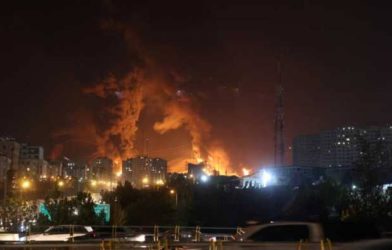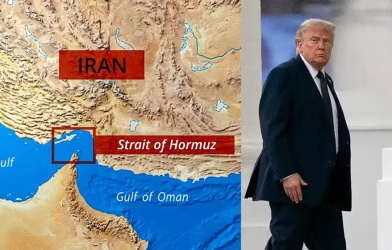

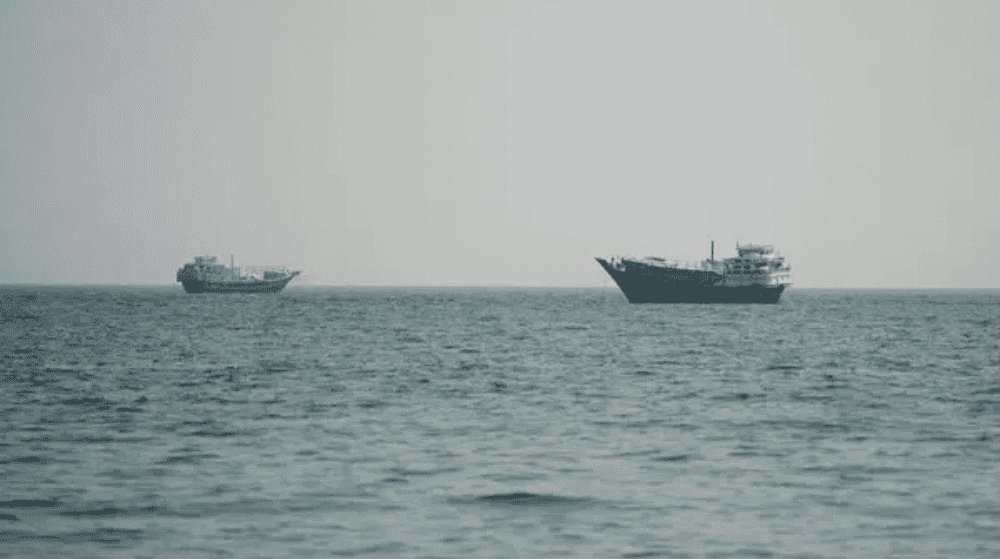
Heavy fighting between Iran and the United States intensified after another tanker came under attack in the Strait of Hormuz. The attack forced the crew to abandon the vessel. Meanwhile, US forces launched a 10th consecutive night of airstrikes on Iranian military targets. The latest escalation has further disrupted one of the world’s busiest energy routes.
According to the US military, the latest strikes targeted command centres, missile sites, drone launch facilities, maritime assets, and air defence systems. However, Iran has maintained control over the strategic waterway. Nearly one-fifth of global oil and natural gas shipments normally pass through the strait during peacetime. Shipping activity has slowed sharply because of growing security concerns.
The British maritime monitoring centre reported that a tanker came under attack near Oman. The assault forced its crew to abandon the ship. Iran‘s Revolutionary Guard claimed responsibility for the latest attack and two similar incidents a day earlier. Meanwhile, the United States advised commercial vessels to use alternative routes around Oman.
The conflict also spread beyond the Strait of Hormuz. Kuwait activated its air defences against incoming projectiles. Jordan intercepted three Iranian missiles without reporting casualties. Bahrain condemned Iranian drone attacks on its air traffic systems, warning they threatened civilian aviation.
The worsening crisis pushed global energy prices higher. Brent crude traded above $88 per barrel on Tuesday. Fuel prices also increased in the United States, adding pressure on consumers. Analysts warned that further shipping disruptions could tighten global oil supplies.
The Pentagon said nearly 100 US service members have suffered injuries since operations resumed on July 7. Officials said 96 percent have already returned to duty. Most injuries involved minor concussions. The Pentagon also rejected claims that it had withheld casualty information.
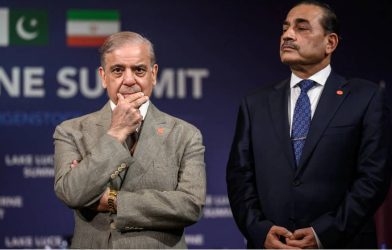
Meanwhile, Pakistan continued diplomatic efforts to encourage dialogue between Washington and Tehran. Iranian Interior Minister Eskandar Momeni arrived in Islamabad for high-level talks with Prime Minister Shehbaz Sharif. US Secretary of State Marco Rubio also said Washington remained open to genuine negotiations with Iran.
However, the conflict showed no immediate signs of easing. Iranian officials said recent US airstrikes killed at least 50 people and wounded 517 others. Regional tensions continued to rise as attacks expanded across multiple fronts. International concern has also grown over risks to global trade and energy security.