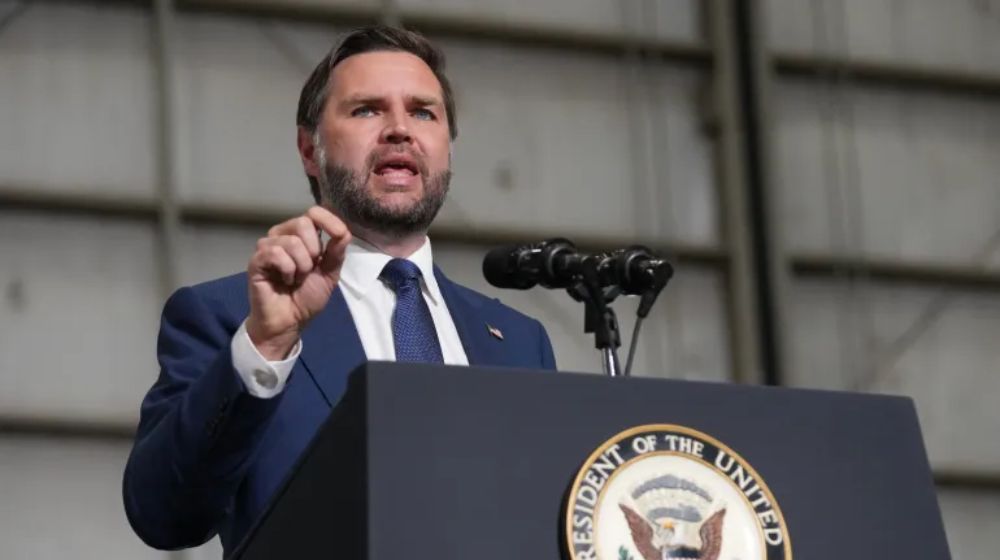
US Vice President JD Vance has accused some members of Israel’s government of trying to influence American public opinion against diplomacy with Iran. The JD Vance Israel comments came during an interview with podcaster Joe Rogan. Vance also claimed he faced personal attacks because of his efforts to support negotiations aimed at ending the conflict.
During the interview, Vance defended the agreement the United States reached with Iran last month to help end the war. He said some people within the Israeli government wanted the military campaign to continue instead of supporting diplomatic efforts. According to Vance, those individuals tried to shift US public opinion away from the peace deal.
Vance also referred to a recent Time magazine report. The report said a former Trump campaign manager had been hired on behalf of Israel to lead a digital campaign designed to influence American views on Israel and the Iran conflict. Vance claimed the campaign was well funded and intended to weaken support for negotiations.
The vice president said he personally became a target of criticism because he supported the diplomatic approach. He said people attacked him while he was carrying out the negotiation strategy approved by President Donald Trump. However, he acknowledged that many countries try to influence US policy.
Although Vance said foreign governments often seek to shape American decisions, he argued that such campaigns become a concern when they affect political judgment inside the United States. He stressed that influence efforts should not determine US foreign policy decisions.
Vance also said he believes the United States might not have entered the recent conflict with Iran without Israeli influence. At the same time, he repeated that both he and President Trump agree Iran should not develop a nuclear weapon. He said those security concerns remain separate from the diplomatic process.
Former Israeli diplomat Alon Pinkas described Vance’s remarks as unprecedented. He said no sitting US vice president had publicly accused Israel of trying to undermine American policy in this way. Analysts also noted that the comments reflect growing differences between Washington and Israel over Iran.
The interview has added fresh attention to the debate over US policy in the Middle East. As discussions continue, the JD Vance Israel remarks are likely to remain part of the wider conversation about diplomacy, regional security, and the future of US-Israel relations.