
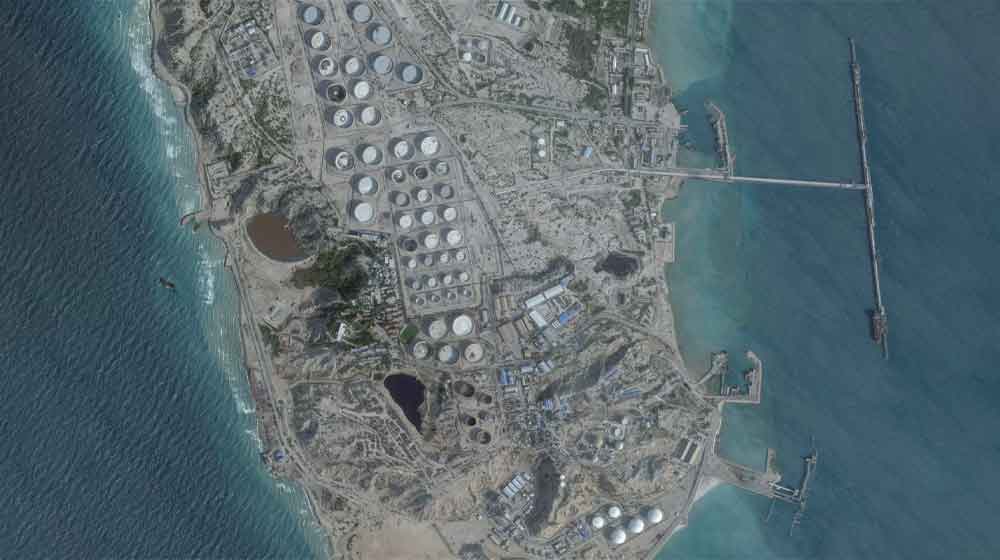
Donald Trump said Friday that the United States had carried out heavy airstrikes on military targets at Kharg Island, one of Iran’s most critical oil hubs. He also announced that the United States Navy would soon begin escorting tankers through the strategic Strait of Hormuz.
The announcement came as tensions across the Middle East intensified, with Iran launching a fresh wave of drone and missile attacks on Israel and several Gulf countries.
Defiant Rally in Tehran
In Tehran, several senior Iranian officials joined a large pro-government rally where demonstrators waved banners reading “Death to America” and “Death to Israel.” The demonstration took place amid ongoing airstrikes and rising tensions between Iran, the United States, and Israel.
Conflict Expands Across the Region
The broader regional conflict also continued to escalate. Fighting between Israel and the Iran-backed militant group Hezbollah in Lebanon remained intense.
Lebanon’s health ministry reported that an Israeli airstrike on a primary healthcare center in southern Lebanon killed at least 12 medical personnel on Friday. Lebanese authorities say Israeli strikes aimed at Hezbollah have killed at least 773 people in the country.
Trump Warns Iran Over Shipping Routes
Posting on the social media platform Truth Social, Trump said military targets on Kharg Island had been “totally obliterated” in what he described as one of the most powerful bombing raids in Middle East history.
However, he said the United States had so far avoided targeting oil infrastructure on the island.
Trump warned that if Iran interferes with free navigation through the Strait of Hormuz, the decision could change immediately.
Oil prices have surged amid the escalating conflict, as the strait normally handles around one-fifth of the world’s crude oil and liquefied natural gas shipments.
US Deploys Warships and Marines
According to reports by The Wall Street Journal and The New York Times, the United States Department of Defense has dispatched the amphibious assault ship USS Tripoli from Japan to the region along with around 2,500 US Marines.
The deployment highlights growing concerns that the conflict could further disrupt global shipping routes and energy supplies.
Missile and Drone Attacks Across the Gulf
Explosions were reported in several parts of the region as the conflict widened. Blasts shook Tehran late Friday as Iranian state media said missiles had been launched toward Israel.
Early Saturday, explosions were heard in Doha. Qatar’s defense ministry said its military intercepted missiles targeting the country.
Meanwhile, Saudi Arabia said its air defenses shot down dozens of drones, while Turkey reported that NATO forces intercepted a ballistic missile launched from Iran.
Leadership Changes in Iran
The conflict began shortly after the death of Iran’s supreme leader Ali Khamenei at the start of the US-Israeli campaign on February 28.
His son, Mojtaba Khamenei, was named the new supreme leader but has not appeared publicly and is reportedly wounded.
The US government has offered a $10 million reward for information about Mojtaba Khamenei’s whereabouts.
Oil Prices Surge Above $100
The war has triggered major disruptions in global energy markets. Brent crude prices have surged more than 42 percent, pushing oil above $100 per barrel as fears grow about supply disruptions.
Within Iran, authorities have imposed an internet blackout since the conflict began. Residents speaking anonymously described widespread destruction, shortages of cash, and rising prices for essential goods.
The United Nations High Commissioner for Refugees estimates that up to 3.2 million people have been displaced inside Iran since the war began.
Iran’s health ministry reported on March 8 that more than 1,200 people have been killed, although independent verification remains difficult.
The United States has also lost 13 military personnel during the conflict, including six crew members of a refueling aircraft that crashed in Iraq.