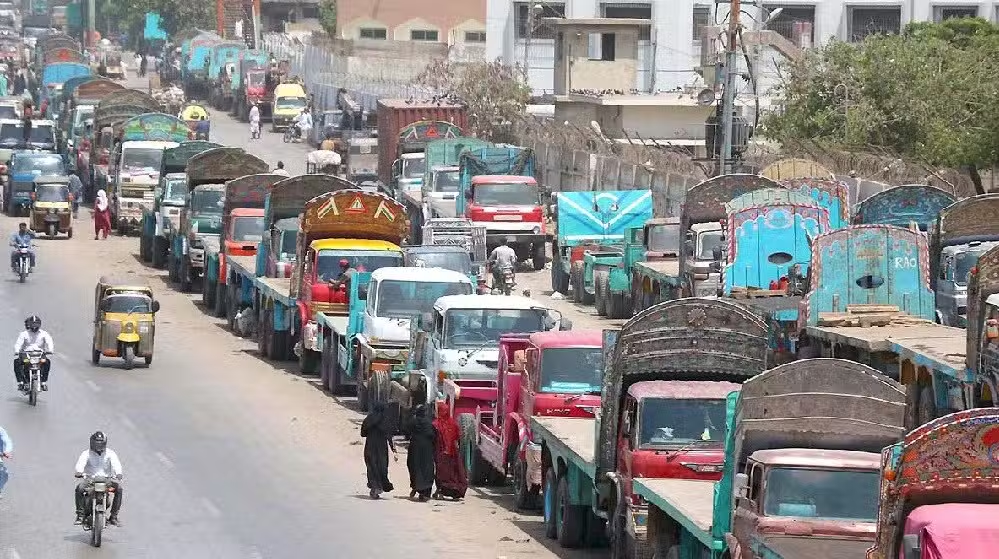
The recent increase in petroleum prices has forced transporters across Pakistan to raise their fares by up to 30 percent. This sudden adjustment adds significant pressure on consumers who already struggle with high inflation and a rising cost of living. Transport operators announced an immediate increase in inter-city travel costs, citing record-breaking diesel prices and insufficient government support. Asmatullah Niazi, chairman of the All Pakistan Bus Terminals Owners Association, explained that transporters raise fares in Pakistan as a desperate measure to manage soaring operational expenses. He noted that the current provincial subsidies do not cover the actual cost of fuel for long-haul journeys.
According to industry data, a single round trip between Lahore and Islamabad now consumes diesel worth nearly Rs. 120,000. Because the government’s monthly assistance remains limited, many bus and truck owners find it impossible to maintain their previous rates. This fuel price hike has also increased freight charges by 40 percent, impacting the construction sector and industrial productivity. As transporters raise fares in Pakistan, the cost of moving essential materials like cement and crushed stone has climbed sharply. Business leaders warn that these rising logistics costs may reduce the country’s overall competitiveness in international export markets.
Consumer Impact and Economic Challenges
Shoppers across the country are already feeling the secondary effects of these transport adjustments in local markets. Prices for vegetables and fruits have surged by nearly 40 percent in several major cities. Basic commodities such as flour and rice also witnessed a price jump between 20 and 40 percent shortly after the fuel announcement. Many motorists expressed frustration, accusing oil marketing companies of benefiting from abrupt price changes. Meanwhile, the Balochistan Goods Truck Owners Association announced an even steeper 60 percent increase in their specific region to cope with the unique geographical challenges of the province.
The Lahore Chamber of Commerce and Industry warned that this trend could trigger a dangerous new wave of inflation. Economists suggest that when transporters raise fares in Pakistan, the ripple effect touches every segment of the supply chain. Higher production and delivery costs inevitably lead to more expensive retail goods for the average household. Political parties and various business groups have formally rejected the fuel price increase, calling for more sustainable energy policies. As households and small businesses face this additional financial strain, the government remains under heavy pressure to stabilize the energy sector and protect the public from further price shocks.